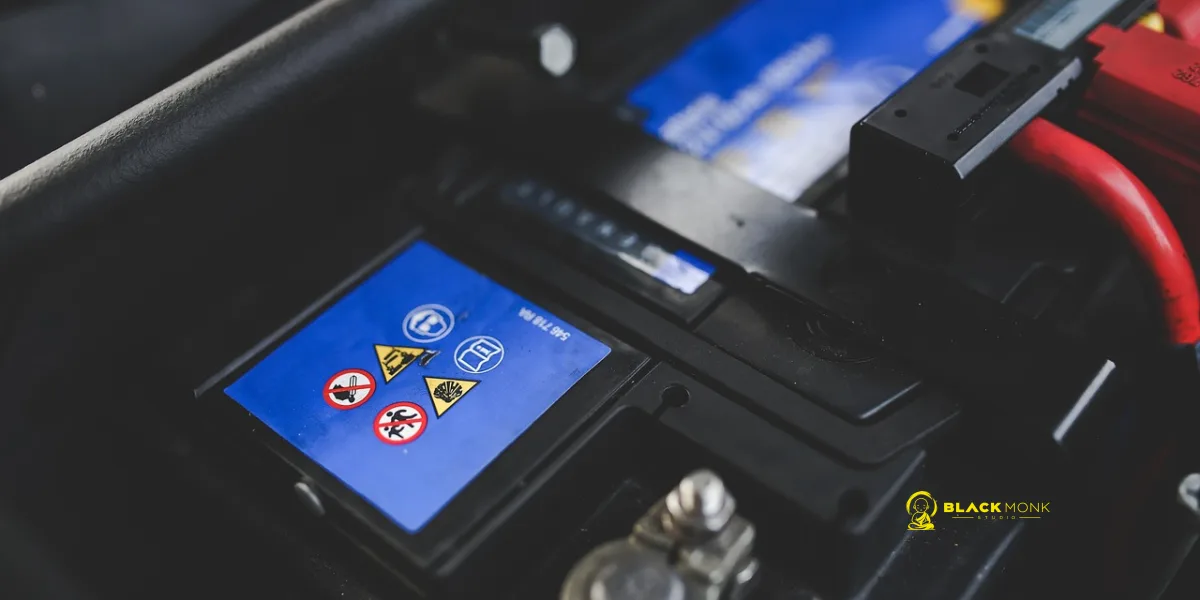
Content Marketing For Battery Manufacturing is the practice of publishing useful technical material, such as application notes, data-driven guides and comparison pages, so that engineers and buyers find your cell or pack maker before they shortlist suppliers. For most battery manufacturers, sales cycles run for months and the buying group includes engineers, quality teams and procurement. A steady content programme gives those people answers when they search, and it gives your sales team something credible to send. In this guide I explain how I approach the work, what to publish, how to measure it and where it does not fit.
Key takeaways
- Write for the engineer who qualifies you first, then for the procurement team who signs.
- Build content around the questions buyers ask during qualification: chemistry fit, safety testing, lead times and compliance documents.
- Measure content by qualified enquiries and sales conversations, not by page views.
What Content Marketing For Battery Manufacturing actually covers
In my work, Content Marketing For Battery Manufacturing means creating material that answers the technical and commercial questions a battery buyer asks before they request a quote. That includes application notes, product data sheet explainers, guides on cell chemistry trade-offs and clear pages on battery supplier qualification. The aim is not to write brochures. The aim is to be the source a buyer trusts when they research.
The buyer is rarely one person. A design engineer may read about energy density and thermal behaviour, a quality manager checks test records and certifications, and a purchasing lead compares lead times and minimum order volumes. Each person searches differently, so the content has to match each stage.
- Engineers search for specific problems, such as cycle life at a given temperature.
- Quality teams search for process controls, traceability and test methods.
- Procurement searches for supplier comparisons, capacity and terms.
- Executives rarely search, but they read the case studies their teams forward.
Content marketing does not replace trade shows, distributors or direct sales. It works best as the research layer that sits between a first look at your company and the first sales call.
Who is your buyer and what do they search for?
Before writing anything, I map the buying group for the battery type you make. A maker of stationary storage batteries sells to a different group than a maker of cells for electric two-wheelers or medical equipment. Start with your last five won deals and list everyone who was involved, what they asked and where they got their information.
Map the questions by stage
| Stage | Typical question | Content type |
|---|---|---|
| Problem research | Which chemistry suits a high-temperature site? | Explainer guide |
| Supplier shortlist | How do your cells compare with alternatives? | Comparison page |
| Qualification | What test reports and certificates do you provide? | Documentation hub |
| Commercial review | What affects lead time and minimum order? | Process or FAQ page |
This table is a starting point, not a fixed plan. Your sales team will add questions that come up in calls, and those questions are often the best keyword ideas you have.
How to choose topics and keywords for battery content
Keyword research for industrial buyers differs from consumer research. Search volumes are often small, and the valuable searches are long and specific. A query like battery pack thermal management for outdoor cabinets may bring fewer visits than a broad term, but a far higher share of them are engineers with a project. I look for search intent first: is the person learning, comparing or ready to buy?
- Use your sales call notes and CRM records to find the exact wording buyers use.
- Check what already ranks, and whether results are academic papers, distributor pages or competitor product pages.
- Prioritise topics where you can show real manufacturing knowledge that a reseller cannot copy.
- Avoid topics where you cannot publish a specific, honest answer.
Keep an eye on how search results change. Google describes its approach to people-first content in its helpful content guidance, which rewards pages that show real experience rather than summaries of other sites.
Which content formats work best for battery manufacturers?
Format should follow the question. A question about chemistry trade-offs needs a clear guide with a comparison table. A question about qualification needs a checklist and a downloadable document list. Video helps for showing production steps or safety test set-ups, but it is expensive to keep current, so I usually start with written formats.
Formats I would start with
- Application notes that answer one engineering question with data from your own tests, marked clearly as your results.
- A documentation hub listing data sheets, certificates and test summaries in one place.
- Comparison pages that explain where your chemistry fits and where another chemistry is the better choice.
- Process explainers covering cell formation, ageing and quality checks at a level a buyer can follow.
Every technical claim needs a source or a test record. If a product has certificates, name the standard exactly and link to the issuing body. Do not invent performance numbers for a page to look stronger.
Compliance, safety and regulatory content: what to be careful about
Battery content touches regulation. Rules on transport, chemical registration and product safety differ by market and change over time. In Europe, many buyers ask about chemical registration, and the European Chemicals Agency explains the framework in its guide to REACH. I describe what a regulation covers and where your documents are, but I do not give legal advice on whether a product complies.
Ask your compliance or legal team to review any page that describes certification, safety performance or regulatory status. A wrong statement on a public page can create a problem in a tender, so write these pages with a short review step built in.
- Name only the standards and certificates you hold, with current validity dates.
- Separate what your product is designed to do from what you have tested and documented.
- Link to the official standard body rather than paraphrasing its requirements from memory.
Distribution: getting technical content in front of the right people
Publishing alone does not bring buyers. Battery content needs a distribution plan. Search brings in people who already have a problem. LinkedIn brings in engineers and managers who follow your sector, and it works well for sharing application notes with a short summary. Email reaches existing contacts from trade shows and past enquiries, and it is a good channel for new documentation.
Practitioners who work on industrial lead generation compare notes in r/manufacturing, where the talk is about real plant problems rather than marketing tricks. Reading those threads is a useful way to find the questions your buyers ask.
- Share each new application note with the sales team and log which contacts received it.
- Reuse one technical guide as a LinkedIn post series, a webinar outline and an email sequence.
- Add internal links from related product pages so search visitors can reach the right data sheet quickly.
How should I measure content marketing results for a battery maker?
Page views are a weak signal for industrial buyers. A technical guide may get few visits and still shape a major order. I measure content through a chain: visits from search, requests for documents, enquiries that match your target customer, and sales meetings where the buyer mentions the content. Google Analytics can show which pages start sessions and which pages lead to a form, and its help pages explain how to set up conversion events in Google Analytics Help.
Use a simple spreadsheet for the first six months. Record which pages were viewed before each qualified enquiry and ask the sales team to note the source in the CRM. Patterns appear faster than you expect.
Metrics that matter
- Qualified enquiries that name a battery application, volume or timeline.
- Document downloads from people with a company email address.
- Sales meetings where the buyer refers to a specific guide.
- Search rankings for long, specific technical queries, tracked monthly.
Common mistakes and when this approach does not fit
The most common mistake I see is writing generic battery content that could come from any company. Pages about the future of energy storage bring no buyers, because the reader already knows the trend. Another mistake is publishing many pages without a review process, which leads to outdated claims. Google's spam policies also warn against pages built only to attract search traffic.
This approach does not fit every situation. If you have few technical staff to review content, or if your sales are almost entirely won through long tenders with existing partners, a smaller set of documents may serve you better than a blog. A young company without test data should first run tests, then write about them.
If your product is still in pilot, start with one or two strong application notes and see whether they produce conversations before you commit to a publishing calendar.
Questions to ask before you start a battery content programme
Before you commit budget, answer a few questions honestly. Do you have one person who can explain your process and test results in writing? Can your sales team name the last three questions a buyer asked? Is there someone who can approve technical claims within a week? If the answer to any of these is no, fix that gap first.
- Confirm who owns technical accuracy and final sign-off.
- Agree which claims need test evidence before publication.
- Set a review date for every page, usually every six to twelve months.
- Choose two or three channels rather than five.
Your budget will depend on the number of pages, the amount of expert time and whether you need translation for export markets. I cannot give a fixed price without knowing those details, and any quote that ignores them should raise questions.
Questions & answers
What is Content Marketing For Battery Manufacturing?
Content Marketing For Battery Manufacturing is the practice of publishing technical and commercial material that helps engineers, quality teams and buyers research battery suppliers. It includes application notes, documentation hubs and comparison pages. The goal is to be the trusted source when a buyer is shortlisting suppliers, which often happens months before a request for quote.
How long does it take to see results from battery content?
Results usually take several months because industrial buying cycles are long and technical pages need time to be indexed and found. Early signs include document downloads and sales calls that mention a specific guide. The timeline depends on how many pages you publish, how competitive the topics are and how quickly your sales team logs enquiries.
Do I need a blog to do content marketing for a battery maker?
No, a blog is not required. Many battery makers do better with a documentation hub, a set of application notes and clear product pages. A blog helps when you have ongoing technical questions to answer. Start with the formats that match the questions your sales team hears most often.
What topics should a battery manufacturer write about first?
Start with the questions that come up in sales calls and qualification. Common topics include chemistry fit for a specific application, test reports, safety documentation, lead times and supplier qualification steps. Choose topics where you hold real test data or process knowledge, so that your content is specific and difficult for competitors to copy.
Can content marketing help with battery safety and compliance questions?
It can explain what documents you hold and where buyers can find them, but it should not replace legal or regulatory advice. Have your compliance or legal team review any page that describes certification or regulatory status. Link to official sources such as standards bodies rather than paraphrasing rules from memory.
How much does content marketing for battery manufacturing cost?
Cost depends on the number of pages, the amount of time your engineers spend reviewing content, translation needs and the channels you use. Expert review is often the largest cost, because accurate technical writing takes time. Ask any provider to itemise the work, including review steps and document updates, before you compare quotes.
Which channels work best for sharing battery technical content?
Search brings in people who already have a problem, while LinkedIn reaches engineers and managers who follow the sector. Email works well for existing contacts from trade shows and past enquiries. Choose two or three channels you can maintain well rather than spreading thin across many.
Is content marketing better than trade shows for battery makers?
Neither replaces the other. Trade shows create first contact and personal relationships, while content helps buyers research you between events and gives sales teams material to send afterwards. Many manufacturers use content to follow up on trade show leads and to keep contacts engaged during long qualification periods.
Content Marketing For Battery Manufacturing works when it answers the real questions engineers and buyers ask during qualification, backed by test data you can stand behind. Start with the questions from your sales calls, publish a small set of accurate documents, and measure qualified enquiries rather than page views. If you want help mapping those topics and building the measurement, see our content marketing services or review our B2B industrial marketing approach. You can also read our related guide on social media marketing for battery manufacturing to see how the same material can reach buyers on LinkedIn.