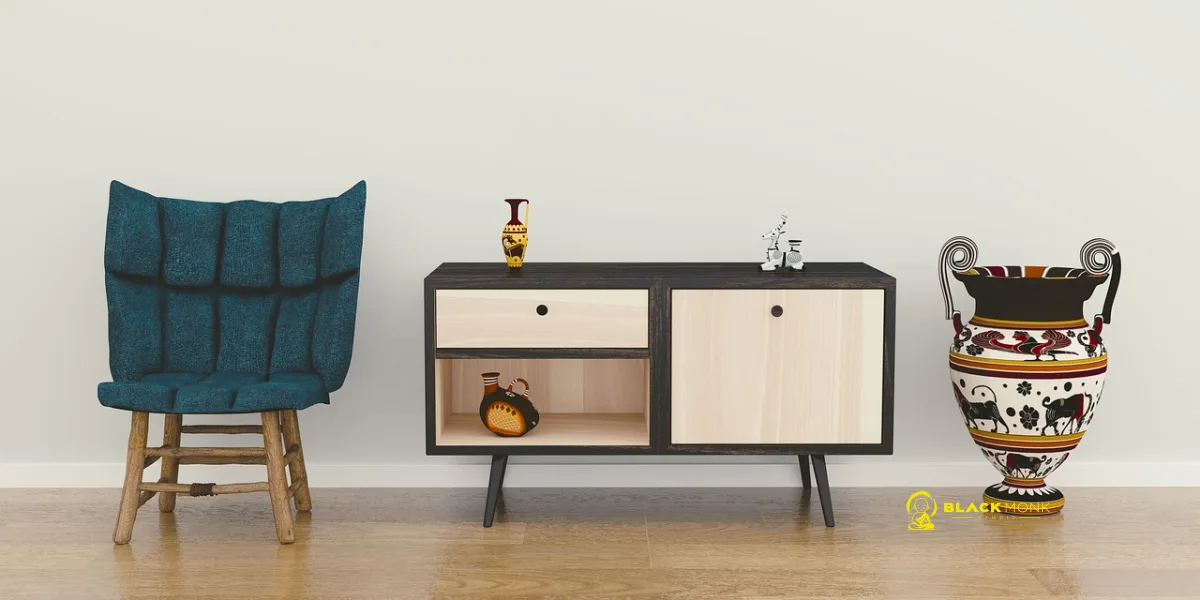
Content Marketing For Home Decor means publishing useful articles, guides and visual stories that help people furnish and style their homes, so they find your brand before they are ready to buy. Home decor shoppers often research for weeks, comparing fabrics, sizes, colours and styles. If your store only shows product pages, you miss most of that research. This guide explains how to plan content that earns search traffic, builds trust and moves readers toward a purchase, with honest notes on what results depend on.
Key takeaways
- Match each article to one buying question, such as how to choose a rug size or how to layer lighting in a living room.
- Link every guide to the product categories it supports, so reading turns into browsing and then into a basket.
- Measure assisted sales and email sign-ups from content, not only page views, and review the numbers every quarter.
What Content Marketing For Home Decor Actually Covers
I start every project by defining the content scope, because home decor is broad. A shopper looking for a throw pillow guide is in a different place from someone planning a full kitchen refit. Content marketing here means creating helpful material for each stage of that journey, not writing about your company.
In practice, the core formats are buying guides, room inspiration pages, care and maintenance articles, sizing and measurement guides, and short videos. Each format answers a different question. Buying guides help people compare options. Room pages show how pieces work together. Care guides reduce returns by setting realistic expectations about materials like linen, wool or solid wood.
Content marketing is different from advertising. An ad asks for attention now. A guide earns attention because it solves a problem the reader already has. That is why content marketing usually takes longer to pay back, but it keeps working after the post is published.
Who the Reader Is
Most home decor readers are homeowners, renters and first-time buyers, often planning a specific room. Some are interior designers or trade buyers who need specification details. Write for one primary reader per article, and name that reader in your brief before drafting.
How Search Intent Shapes Home Decor Articles
Search intent is the goal behind a search. Someone who types how to choose a rug size wants to learn, so an informational guide fits. Someone who types best sofa for a small living room is comparing options, so a commercial investigation page with clear criteria fits. A search like buy linen curtains online is transactional, and it belongs on a product or category page.
Before writing, I check the top results for the query. If they are all long comparison guides with photos and measurements, a thin three-paragraph post will not compete. If they are mostly shopping pages, a guide can still win by answering the question more clearly than the shops do.
Google describes its goal as surfacing helpful, people-first content. Its guidance on helpful content is a good checklist for home decor writers, because it asks whether the page would satisfy a reader who had no interest in buying from you.
- Informational: how-to guides, care tips, sizing charts and styling principles.
- Commercial investigation: best-for pages, material comparisons and buyer checklists.
- Transactional: category pages, product listings and collection pages with clear prices and delivery terms.
Planning a Home Decor Content Calendar
A content calendar turns a list of ideas into a schedule. I build it from three sources: search demand for product categories, questions customers ask in support emails and in-store, and seasonal moments such as monsoon-proofing outdoor furniture or preparing rooms for festive gatherings. Each idea gets a target keyword, a reader, a format and a product category to link to.
Start with a small set of pillars, for example bedroom styling, lighting, kitchen textiles and sustainable materials. Under each pillar, plan a mix of long guides and short supporting articles. This structure helps search engines and readers see that your site covers the topic in depth, which is often called topical authority.
Set a realistic publishing rhythm. Two strong articles a month that you can update over time usually beat eight rushed posts that never get refreshed. Review each piece every few months, because trends, product ranges and seasonal demand change.
A Simple Monthly Workflow
- Pick one pillar and two target queries from the keyword research list.
- Check the top results and note what they miss, such as measurements, care details or room photos.
- Draft with a clear answer at the top, then sections that follow the buying questions.
- Add internal links to the matching category page and one related guide.
- Publish, record the baseline, and schedule a review date.
Writing Product-Led Guides Without Sounding Like an Ad
A product-led guide uses your range as examples, but it still teaches the method. A guide on choosing a dining table should explain seating space, leg clearance and wood movement before it mentions your oak table. Readers notice when a page only praises products, and they leave.
I suggest a clear structure: state the answer first, explain the criteria, show examples across price points, and then point to the relevant collection. This honesty is important because it also helps you avoid claims you cannot support. If a cushion is not suitable for outdoor use, say so.
Be careful with claims about materials, safety and environmental benefits. Phrases like non-toxic or eco-friendly need evidence and must follow advertising rules. The U.S. Federal Trade Commission publishes guidance on truthful advertising that many brands use as a reference. Where chemical or safety compliance is involved, such as finishes or children's furniture, confirm details with a qualified professional.
- Explain the buying criteria before listing products.
- Use real measurements, not vague words like large or cosy.
- Show when a product is the wrong choice for a given room or budget.
Visual Content: Photos, Video and Room Stories
Home decor is visual, so images carry much of the message. Use room photos that show the product in use, with dimensions in the caption or alt text. Alt text also helps accessibility, and the W3C publishes the WCAG guidelines that define good practice for images and text contrast.
Short videos work well for showing texture, movement and scale, such as how a curtain falls or how a sofa fits a corner. Keep videos under a minute for social channels and longer for YouTube tutorials. Write a clear title and description, and add chapter timestamps for longer pieces.
Room Stories as Content Hubs
A room story is a page built around one space, such as a 'small balcony makeover'. It links to the products used, the how-to articles behind each choice and the care guides for the materials. This creates a natural path through your site and gives visitors a reason to stay.
Ask customers for photos of their own rooms, with permission. User photos add authenticity, but review them for privacy and remove any personal details before publishing.
Measuring Content Marketing Results for Home Decor Brands
Page views are the easiest metric, but they are not enough. I track organic landing pages, time spent on guides, clicks from guides to category pages, email sign-ups and assisted sales. Google Analytics helps you see how content visits lead to purchases, though attribution rules differ by setup, so check your configuration with the Google Analytics Help documentation.
Set a baseline before you publish. Record current organic traffic, conversion rate on category pages and average order value. Then compare the content group after three to six months. Search results can take time to move, so judge by trends rather than single weeks.
| Metric | What it tells you | Common pitfall |
|---|---|---|
| Organic landing page sessions | Whether guides are found in search | Ignoring queries that bring the wrong readers |
| Guide to category clicks | Whether content supports buying | Missing internal links |
| Email sign-ups from articles | Whether readers want more help | Using generic forms with no value offer |
| Assisted revenue | Whether content influences sales | Counting only last-click sales |
Common Mistakes Home Decor Brands Make With Content
The most common mistake is writing about trends without a buying angle. A post on 'the color of the year' attracts clicks but rarely leads to sales unless it links to products and explains how to use the colour. Another mistake is publishing many thin articles that repeat each other, which can dilute the site's focus.
Some brands also copy manufacturer descriptions into their blogs. Duplicate text reduces the value of both pages. Write original explanations and use product specifications only as supporting data.
- Publishing without a target query or reader.
- Ignoring stock levels, so guides link to sold-out products.
- Failing to update seasonal guides, which then show outdated prices or ranges.
- Stuffing the same keyword into every heading.
Honest reporting also matters. If a guide brings traffic but no sales after several months, the page may need a stronger product link, a clearer call to action or a different query. Not every article is meant to sell directly.
Technical Basics That Support Home Decor Content
Good content can be held back by a slow or confusing site. Core Web Vitals are a set of speed and stability measures that Google uses as part of page experience. The web.dev guide on Core Web Vitals explains what to measure. Large room photos are the usual cause of slow pages, so compress images and use modern formats.
Structured data helps search engines understand products, reviews and articles. Google's documentation on structured data explains which types are supported and how to test them. Only mark up information that is visible on the page and accurate.
Checks Before You Publish
- Each image has descriptive alt text and a file size that loads quickly.
- Internal links point to the matching category page and at least one related guide.
- Prices, dimensions and stock messages are current.
- The article has one clear primary query and an answer in the first paragraph.
Large catalogues need special care. Keep category pages crawlable, and submit a sitemap in Google Search Console so new guides are found sooner.
When Content Marketing for Home Decor May Not Be the Right Priority
Content is not always the first investment. A brand with a broken checkout, poor product photos or unclear delivery terms will lose buyers before content can help. Fix the basics in the conversion path first, then invest in articles that bring qualified readers to a working store.
Very small shops with a few products may get better results from social media, marketplace listings or a well-kept Google Business Profile for local buyers. Content also takes time that a small team may not have. In that case, start with one strong buying guide per quarter and link it heavily.
For regulated product claims, such as safety standards for children's furniture or chemical content in paints and finishes, consult a qualified professional and the relevant authority. Content can explain your product, but it should not give legal or compliance advice.
Questions & answers
What is content marketing for home decor?
Content marketing for home decor is the practice of publishing useful guides, room ideas, care articles and videos that help people furnish their homes. The goal is to be found during research, build trust and guide readers toward your products. It works best when each piece answers a real buying question and links to the right product category.
How long does home decor content marketing take to show results?
Results depend on your site's current authority, competition for the chosen queries and how often you update content. Many brands see early movement in search within a few months, but meaningful sales usually take longer. Track trends over three to six months rather than judging a single article after a few weeks.
How do I choose topics for a home decor blog?
Start with the questions customers ask in emails, chats and in-store visits, then check search demand for product categories. Choose topics that connect to a product range and a clear buying decision, such as sizing or materials. Avoid trend posts that have no path to a product page.
Do I need a blog for home decor content marketing?
A blog is one common format, but it is not the only option. Buying guides, category page copy, video tutorials and room stories can all carry content marketing. Choose the formats your team can maintain well, because outdated content can hurt trust and conversions.
Should I write about my own products in content?
Yes, but use them as examples rather than the main subject. Explain the buying criteria first, show products across price points and be honest about when a product is not suitable. Readers trust guides that include trade-offs more than pages that only promote a range.
Which metrics matter most for home decor content?
Track organic landing page visits, clicks from guides to category pages, email sign-ups and assisted revenue. Page views alone can mislead, because a popular article may attract the wrong readers. Set a baseline before publishing so you can compare changes fairly over time.
Can small home decor shops use content marketing?
Yes, but start small. One strong buying guide each quarter, linked heavily to your best-selling categories, can be more useful than many thin posts. Smaller shops may also benefit from a complete Google Business Profile and social channels for local customers.
Where can I learn more about writing helpful content?
Google Search Central publishes guidance on creating helpful, people-first content, and that is a good starting point. Home decor writers can also read the Content Marketing Institute for planning frameworks. Test each idea with real readers and update articles based on what they actually ask.
Content Marketing For Home Decor works when every article answers a real buying question, supports a product category and is measured over time. Start with one pillar, two well-researched guides and clear internal links, then review what brings qualified readers. If you want help planning that roadmap for your store, see our content marketing services. For more examples, read our guide on social media marketing for home decor.