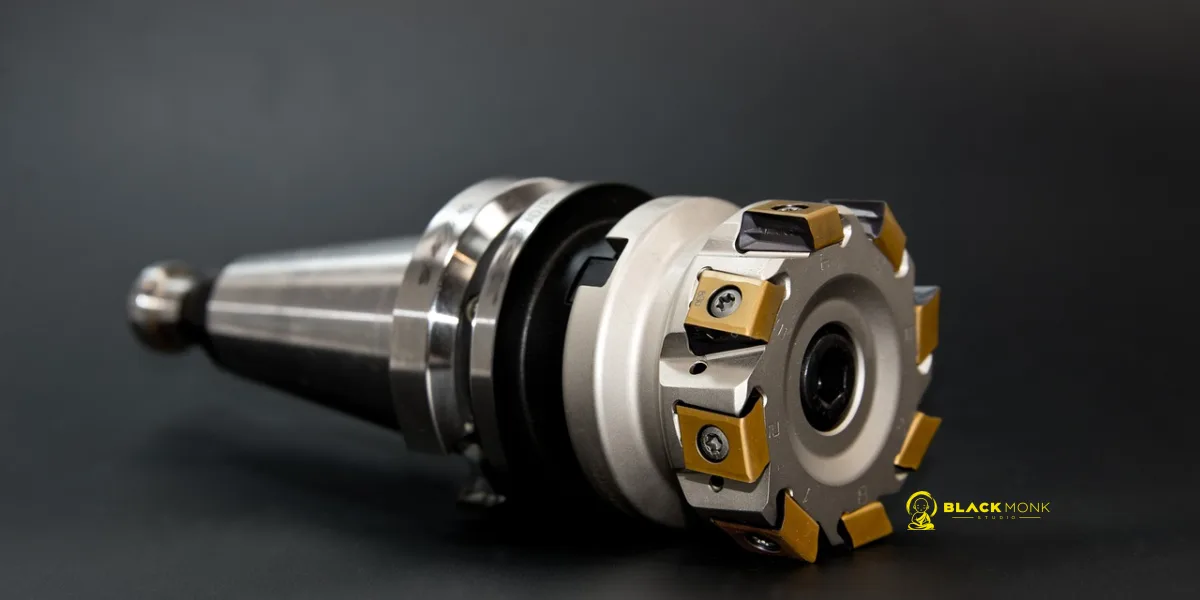
Content Marketing For Laboratory Equipment means publishing useful, technical material that helps lab managers, researchers and procurement teams choose the right instrument before they contact a supplier. Laboratory equipment is rarely bought on impulse. Buyers search for methods, specifications and compliance details long before they ask for a quote. In this guide, I explain how I plan this kind of content, which formats work, how to measure results and where the approach does not fit. The core problem is simple. Most lab equipment makers rely on trade shows, distributor catalogues and a short product page. Those channels reach buyers late, after the shortlist is already set. Well-planned content puts your company into the research phase, so your instruments appear in the comparisons buyers run on their own.
Key takeaways
- Write for the research stage: method guides, specification explainers and comparison pages come before the buyer asks for a quote.
- Pair every technical article with a clear next step, such as a spec sheet download or a sample request.
- Measure lead quality and sales conversations, not only page views, and review content every quarter.
What is content marketing for laboratory equipment?
Content marketing for laboratory equipment is the practice of publishing helpful material that answers the questions a lab buyer asks while researching an instrument, consumable or service. I treat it as a sales support function. The aim is not to write about your company. The aim is to be the source a scientist or purchasing manager trusts when they compare options.
The buyers are unusual. A lab may involve a principal investigator who sets the method, a lab manager who checks fit with the bench and workflow, a quality officer who checks compliance documentation, and a procurement team that compares total cost. Each person searches differently and each needs different proof.
Search intent, meaning the reason behind a search, is the first thing I check. A query such as "how to choose a spectrophotometer" is informational. A query such as "spectrophotometer supplier India" is commercial. Your content plan should cover both, with the research pieces feeding into the product and supplier pages.
- Informational: method guides, glossaries, troubleshooting articles and buying checklists.
- Commercial investigation: comparison pages, selection guides and specification explainers.
- Transactional: product pages, quote forms and sample request pages.
Who reads lab equipment content and what do they need?
Before I write a single article, I map the buying group. In most B2B lab purchases, at least four people influence the decision. Each one reads for a different reason, so one generic brochure rarely works.
| Buyer role | Typical question | Content that helps |
|---|---|---|
| Principal investigator | Will this method give reliable results? | Application notes and method validation summaries |
| Lab manager | Does it fit our bench, power and workflow? | Installation guides and space and utility checklists |
| Quality officer | Does it support our audit trail and standards? | Compliance pages and calibration documentation |
| Procurement | What is the full cost of ownership? | Service plans, consumables and warranty explainers |
The table above is a starting point, not a rule. In small research institutes, one person may hold three of these roles. In large pharmaceutical or testing companies, the procurement team may run the process through formal vendor qualification. Check your own sales notes to see which roles actually appear in your deals.
A common mistake is writing for the engineer who will never sign the purchase order. Keep the technical depth, but add a short summary at the top of each article that a manager can read in one minute.
Which content formats work best for lab equipment?
The formats that earn attention are usually the ones that save the reader time. I start with a small set and expand only when the data shows demand. Quantity matters less than accuracy and usefulness.
Application notes and method guides
An application note explains how a specific instrument solves a specific lab problem, with the steps, sample types and expected output. These pages attract searches from people who already have a method in mind. They also give sales teams something to send after a first call.
Selection guides and comparison pages
Buyers compare instruments by sensitivity, throughput, footprint, software and service. A fair comparison page that lists where a competitor is the better choice builds more trust than a page that claims you win on every point. Be honest about trade-offs, or the page will not be believed.
Technical glossaries and troubleshooting articles
Pages that explain terms such as limit of detection or baseline drift attract early-stage researchers. Many of these readers will become buyers years later, so these pages support long-term search visibility.
How do you plan a content calendar for lab equipment?
I plan from the sales side backward. I ask the sales team which questions came up in the last ten or so enquiries, which objections slowed deals and which products have the longest sales cycles. Those answers become the first list of topics.
- List the top product lines and the methods they serve.
- Collect real questions from sales calls, distributor feedback and support tickets.
- Group questions by buyer role and by search intent.
- Assign each topic one format and one primary keyword.
- Schedule reviews so that outdated specifications and standards are updated.
Keep the calendar realistic. A lab company with a small team can publish two strong technical articles a month and maintain them properly. That is better than ten thin posts that go stale. Timelines and costs depend on how much subject-matter expert time you can release, so I agree this with the client before the calendar is set.
Your engineers are the best source of accuracy. Plan review time for them, and keep a clear note on any claim that depends on a specific model or test condition.
How should you write technical content that scientists trust?
Trust in technical content comes from precision. Scientists check claims quickly, and a vague sentence about "best-in-class performance" will cost you credibility. I write with exact conditions, named methods and clear limits, and I cite recognised standards where they apply.
- State the model, software version and test conditions for every performance claim.
- Explain units and define any abbreviation the first time it appears.
- Show the limits: the sample types, concentrations or environments where the instrument does not perform well.
- Link to primary sources such as standards bodies or regulators when you discuss compliance.
For regulated work, be careful. If a page touches on rules for chemicals, labelling or quality systems, reference the source and state that readers should check with their own quality or regulatory team. I do not give regulatory advice on behalf of clients. The ECHA guidance on REACH is a good example of a primary source that a technical writer can point to, while the final interpretation stays with the buyer's compliance team.
Also write for accessibility. Use clear headings, descriptive image text and readable colour contrast. The W3C Web Content Accessibility Guidelines set out the baseline that many lab buyers now expect from supplier websites.
How does search engine optimisation fit into lab equipment content?
Search engine optimisation (SEO), the work of making pages easy for search engines to find and understand, is what turns a good article into a visitor. For lab equipment, the keywords are often long and technical. A query like "low-volume UV-Vis measurement method" may get fewer searches than a broad term, but the people who type it are close to a decision.
Build topic clusters. One pillar page covers a method or product family, and supporting articles answer specific questions. Link each supporting article back to the pillar and to the relevant product page. Google's own guidance on creating helpful, reliable content is a useful checklist for this work.
Technical markup can also help. Where it fits, add structured data for products and articles, and keep your product pages fast. Google's guidance on Core Web Vitals explains the speed measures that affect user experience.
Which metrics show that lab equipment content is working?
Page views are the weakest signal for this industry. A popular article on a general topic can bring thousands of readers who will never buy. I look at metrics that connect to pipeline, and I set them with sales before the content goes live.
- Qualified enquiries that mention a specific article, method or product page.
- Sample or demo requests that originate from content pages.
- Downloads of spec sheets, validation summaries or application notes.
- Time on page and scroll depth for technical articles, read as a sign of engagement rather than a success score.
- Sales notes that record which content a buyer had read before the first call.
Set up tracking with Google Analytics Help guidance, and tag form submissions and downloads as events. Ask the sales team to add a simple source field to the CRM, so that content influence is visible in reports.
Expect a slow start. Sales cycles for lab equipment can run for months, and some enquiries arrive through distributors who do not share the source. Results depend on your sales cycle, the number of products, and how many articles you publish. I review the data quarterly and do not judge a new article in its first few weeks.
What are the common mistakes in content marketing for laboratory equipment?
Most failed programmes repeat the same few errors. Avoid these and you will save a year of wasted effort.
Writing for search volume alone
A topic with high search volume may attract students or competitors rather than buyers. Check whether the searcher could ever become a customer before you commit to the topic.
Letting specifications go out of date
Instruments get new software and models. An old article that lists the wrong model number damages trust. Assign an owner and a review date to every technical page.
Hiding the next step
A strong article with no call to action sends readers to a competitor. Place a relevant download, a sample request or a short contact option near the end of each piece.
If you also run social channels, the lessons from Social Media Marketing For Industrial Equipment: A Practical B2B Guide apply here as well: share the technical articles where your buyers already talk, and keep the posts specific.
Where does this approach not fit?
Content marketing is not the right first move for every lab supplier. If your products are sold only through tender, or if your buyers switch suppliers purely on price, a content programme will not change the outcome much. In those cases, invest first in pricing, tender readiness and distributor relationships.
It also does not replace a sales team. A good article can start a conversation, but an engineer or application specialist still needs to answer the hard questions. Plan the content so that it hands over smoothly to a person.
Finally, if your company is small and has no technical staff willing to review articles, pause the programme. Publishing unchecked technical claims is a risk to your reputation and, in regulated sectors, to your customers.
Lessons from other technical niches, such as Content Marketing For Water Treatment: A Practical B2B Guide, can help you judge whether a similar plan suits your products.
Questions & answers
What is content marketing for laboratory equipment?
Content marketing for laboratory equipment is the practice of publishing technical articles, application notes and comparison guides that answer the questions lab buyers ask during research. It helps your instruments appear in the shortlist before a buyer requests a quote. The content supports sales rather than replacing them, and it works best when written by people who understand the methods.
How long does it take to see results from lab equipment content?
Expect a slow start. Lab equipment sales cycles can run for several months, and many enquiries reach you through distributors who do not share the source. Results depend on your product range, sales cycle and publishing volume. Review your data quarterly and judge individual articles only after they have had time to be indexed and read.
Do I need a technical writer or can marketing staff write it?
Marketing staff can handle structure, search work and editing, but technical accuracy needs input from application specialists or engineers. The best approach is a shared process: a marketer drafts, a subject-matter expert checks every claim, and the article is updated when a model or standard changes. Plan the expert's review time before you start.
Which keywords should a lab equipment company target first?
Start with the method and problem keywords that buyers type while researching, not only with broad product names. Examples include a measurement method plus a sample type. Check each keyword for search intent: informational queries suit guides, while commercial queries suit comparison and product pages. Confirm with your sales team that the searcher could realistically become a customer.
Can content marketing help with regulated laboratory equipment?
Yes, but you must be careful with claims. Cite recognised standards and primary sources, state the test conditions behind every performance figure and avoid giving regulatory advice. Where a topic touches on compliance, advise readers to check with their own quality or regulatory team. Your legal or compliance adviser should review sensitive pages before publication.
What metrics matter more than page views for lab equipment content?
Qualified enquiries, sample or demo requests, and spec sheet downloads matter more than page views. Ask sales to record which content a buyer read before the first call. These signals show whether articles are reaching people who can buy, which is the real test of the programme.
Should lab equipment companies publish on social media too?
Social media can support technical content by sharing articles where buyers already spend time, such as professional networks. It is less useful as a primary channel for complex instruments. Keep posts specific, link to the full article and measure the enquiries that follow rather than only likes or shares.
When is content marketing not worth it for a lab supplier?
It is less useful when your products are bought only through formal tenders or when buyers choose purely on price. In those cases, improving pricing, tender readiness and distributor support usually matters more first. A content programme also needs staff time from technical experts, so pause it if that time is not available.
Content marketing for laboratory equipment works when it meets buyers during research, answers their technical questions honestly and hands them to a person at the right moment. Start with the buyer roles and the questions your sales team hears most, then build a small, carefully reviewed set of articles. If you want help mapping that plan for your products, see our content marketing services or talk to us through the contact page.