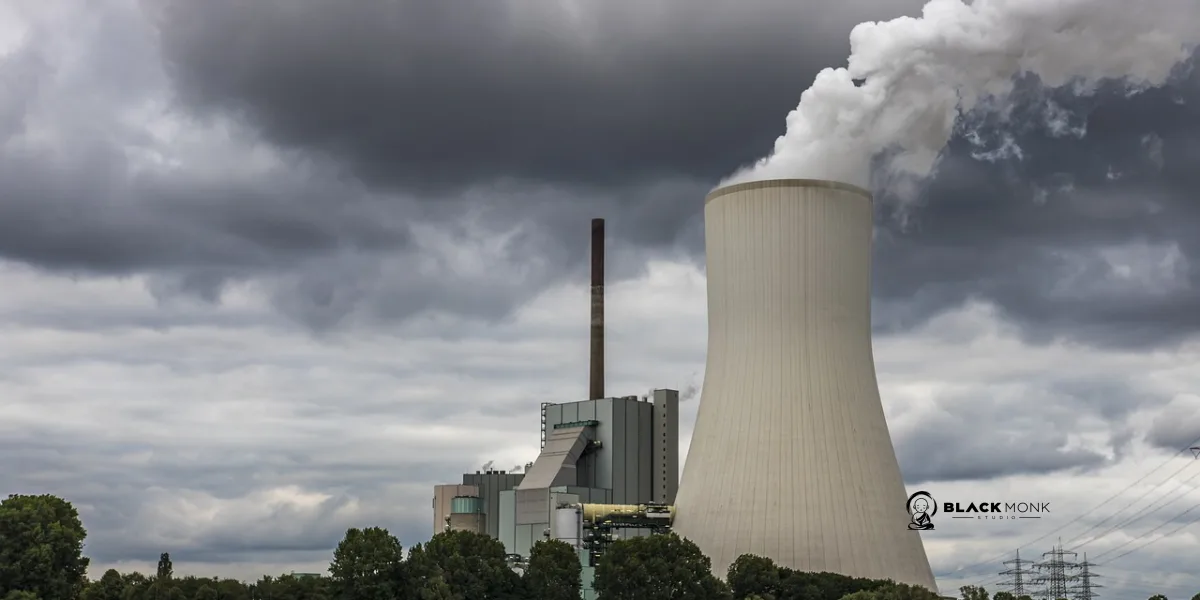
Content Marketing For Power Generation means publishing useful, technical material that helps plant owners, engineers and procurement teams solve real problems before they buy. In my experience, suppliers of turbines, controls, spare parts, water treatment and maintenance services rarely lose because of a weak product. They lose because buyers never saw them during the early research phase. This guide explains how I plan this kind of content, which formats work for long sales cycles, and how to measure whether it brings qualified enquiries. It is written for B2B marketing leads and founders who sell into generation assets.
Key takeaways
- Write for the buyer's stage: plant engineers search for failure modes and standards, while procurement searches for vendors and qualification criteria.
- Pick two or three formats you can maintain well, such as technical guides, case notes and a short newsletter, rather than many thin posts.
- Measure content by qualified enquiries and sales conversations, not by page views alone.
What Content Marketing For Power Generation Actually Covers
The short answer: Content Marketing For Power Generation is the practice of creating searchable, technical and decision-support content for the people who run, maintain, finance and approve work on power assets. The audience includes plant managers, reliability engineers, EPC contractors, consultants and procurement officers. Their questions are specific, like how to plan a boiler inspection or how to compare grid connection options.
This is different from consumer marketing. A buyer may take six to eighteen months from first research to a signed contract, and several people shape the decision. A content plan must therefore serve a long research phase, not a single campaign. It should also be accurate enough that an engineer does not dismiss it in the first paragraph.
Content in this sector usually sits in four groups: technical guides, comparison and selection pages, case notes from real projects, and regulatory or standards explainers. Each group answers a different question in the buyer's journey. Teams that mix them well tend to keep prospects engaged longer, because each piece points to the next logical question.
Who Are You Writing For Inside a Power Plant?
Before you write a single headline, map the people who influence the purchase. In power generation, the person who finds you is rarely the person who signs. A reliability engineer may read your article on vibration monitoring, then pass it to a plant manager who needs a budget case, and later to procurement, who wants a supplier qualification file.
- Plant engineers and operators: want failure modes, maintenance intervals and practical checks.
- Maintenance and reliability leads: want outage planning support, spares strategy and lifecycle costs.
- Procurement and vendor managers: want qualification criteria, documentation, certifications and risk clauses.
- Executives and asset owners: want business cases, risk to availability and regulatory exposure.
Write one content map per group. A common mistake is to write only for the executive, which produces polished but empty articles that engineers ignore. The reverse mistake is to write only for engineers, which leaves no material procurement can forward internally. Good content serves both, with a clear technical body and a plain summary at the top.
Which Topics Attract Buyers Searching for Answers?
The best topics come from questions your sales team hears every week. Ask engineers which problems keep them awake, and ask your account managers which objections delay deals. Those two lists usually produce ten to twenty strong article ideas within a single meeting.
Topic types that work in this sector
- Troubleshooting guides, for example how to diagnose a recurring trip or what causes heat exchanger fouling.
- Selection guides that explain how to choose between two technologies, such as dry or wet cooling, without naming a winner.
- Outage and maintenance planning articles that show how to sequence work and manage spares.
- Compliance explainers that summarise a standard or regulation and link to the primary source, with a note to check with a qualified adviser.
Avoid broad topics such as 'the future of energy' unless you can add specific operational detail. These pages rarely rank for buyer searches and seldom bring enquiries. Narrow, practical topics take longer to write but keep their value for years.
How Should You Structure a Technical Guide?
A useful technical guide starts with the answer. In the first paragraph, state the problem, the usual causes and the first check to make. Engineers scan before they read, so a clear summary at the top earns their attention. Then go deeper with steps, data sources and examples that describe typical situations.
- State the operational problem in plain words and name the asset type.
- List the common causes and the signs that point to each one.
- Give a step-by-step check that a plant team could run with existing instruments.
- Explain when the advice does not apply, for example in older units or under different fuel conditions.
- End with the decision point, such as when to bring in an OEM or an independent engineer.
Be honest about limits. If a method depends on site-specific design data, say so. Trust is built when a writer admits where the guidance stops, and it protects you from liability when readers apply advice to a different machine.
Content Formats for Long Sales Cycles
Format choice should follow the buyer's stage and the effort your team can sustain. Most suppliers do better with three well-made formats than with eight weak ones. The table below compares common options for this sector.
| Format | Best buyer stage | Effort to produce | Main risk |
|---|---|---|---|
| Technical guide | Early research | Medium to high | Becomes outdated if standards change |
| Selection or comparison page | Consideration | Medium | Can read as biased if not balanced |
| Project case note | Evaluation | Medium, depends on client approval | Needs careful anonymisation and consent |
| Webinar or recorded talk | Consideration | High | Low attendance without a promotion plan |
| Short email series | Nurture | Low to medium | Can feel generic if not segmented |
Start with a technical guide and a selection page, because both attract search traffic. Add a case note once you have permission to describe a project. Webinars and email series work best after you have a list of people who already read your material.
Getting Your Content Found Through Search
Most power sector buyers search before they call. They type fault names, standard codes and vendor categories into a search engine. Your content should match those queries closely. Use headings that state the question, answer it in the opening lines and link to a related service or product page where it helps the reader.
Technical sites should also be fast and easy to read. Check page speed against the Core Web Vitals guidance, and make sure tables and diagrams work on a phone. Engineers often read on site with a tablet or handset, so layout matters more than in most B2B sectors.
For background on how search engines judge helpful pages, read the Google Search Central guidance on helpful content. It is written for general sites, but its principles of first-hand expertise and clear purpose apply well to technical articles.
Building Credibility Without Overclaiming
Power generation buyers are sceptical of marketing. They check claims against standards, test data and references. Your content should therefore cite primary sources, name the standard or method used, and show how you know what you know. Where the claim depends on site conditions, state that clearly.
Practical credibility checks
- Name the standard or guidance you refer to, and link to the official body where possible.
- Have an engineer from your team review every technical article before publication.
- Describe project outcomes in general terms unless the client has approved a named reference.
- Avoid numerical claims about performance unless you have test records you can share.
If you operate in regulated areas, such as chemical handling under REACH, link to the regulator's explanation and recommend that readers check their obligations with a qualified professional. Content can inform, but it should not replace legal or regulatory advice.
Distribution: Where Power Sector Content Gets Read
Publishing is only the start. Power sector buyers read content on professional networks, in trade press and in internal team channels. Share each technical guide on LinkedIn with a short note that explains who it helps and why. Ask your account managers to send the relevant article after a discovery call, with a sentence on the specific question it answers.
Industry peers also discuss practical problems in open forums. Practitioners compare notes in r/manufacturing, which is useful for understanding how plant teams describe their problems in their own words. Use that language in headings and summaries, but never post promotional links there.
For paid support, LinkedIn can target job titles and company types. Use it to promote your best guide to reliability and maintenance roles, and measure whether those readers request a call. Paid reach should follow proven content, not replace it.
How to Measure Whether Content Brings Enquiries
Page views and time on page tell you little in this sector. A thousand visits from students are less valuable than ten visits from a plant reliability team. Measure content by the quality of the leads it creates and by how often it appears in sales conversations.
- Track organic visits to technical pages in your analytics tool, and set up conversions such as contact form submissions and document downloads.
- Tag enquiries by source, so you can see which articles preceded a qualified conversation.
- Ask sales to record which content a prospect mentioned on the first call.
- Review which pages attract the right job titles, using your CRM or form fields.
- Check the quality of each lead with a short qualification checklist, such as asset type, decision timeline and budget owner.
Expect a long lag. Technical content often takes several months to rank and longer to influence a tender. Set realistic review points, such as a quarterly check on qualified enquiries, and update articles when standards or your own offerings change.
Common Mistakes and When This Approach Does Not Fit
Content marketing is not the right first move for every power sector business. If you sell a commodity part with clear specifications and buyers choose by price, a product catalogue and a strong quotation process may matter more. If your sales team cannot respond to enquiries within a working day, more content will only add more unanswered forms.
- Publishing generic energy news that any competitor could write.
- Gating every useful page behind a form, which keeps engineers away.
- Making performance claims without test data or a named standard.
- Letting a guide sit unchanged for years while the standard it cites is revised.
- Measuring success only by rankings, not by sales conversations.
A good test is simple. Ask three people in your target roles whether your latest article answered a question they actually have. If they say no, rewrite it before you publish the next one.
Questions & answers
What is content marketing for power generation?
Content marketing for power generation is the practice of publishing technical, useful articles and guides for people who run, maintain and buy for power plants. It helps suppliers and service firms get found during early research. Good content explains problems, compares options honestly and links to next steps, so buyers trust the company before a tender is issued.
How long does it take for technical content to bring enquiries?
It usually takes several months. Technical pages need time to be indexed, to earn links from trusted sites and to be read by the right people. Buyers in this sector also research for long periods. Plan for a review each quarter and judge results by qualified enquiries, not early traffic.
Which content formats work best for B2B power sector buyers?
Technical guides and selection pages work best for early and middle stages of research. Project case notes help during evaluation, once you have client approval. Start with two or three formats your team can maintain well, rather than many thin articles that go out of date quickly.
Do I need engineers to write power generation content?
You do not always need an engineer to write every article, but a qualified engineer should review technical content before it goes live. Their review catches wrong terms, unsafe advice and claims that do not match real plant conditions. This review protects your credibility with the readers who matter most.
Can I name clients in my case studies?
Only with written permission from the client. Many utilities and plant owners restrict the use of their names and project details. If you cannot name them, describe the situation in general terms, such as the asset type, the problem and the approach, without figures that could identify the site.
How do I know if my content is attracting the right buyers?
Check whether the enquiries come from roles such as reliability engineers, plant managers or procurement leads, and whether they match your target asset types. Ask sales to note which article a prospect mentioned. Qualified conversations are a better signal than page views in this sector.
Is content marketing enough on its own for power generation companies?
No. Content works best alongside a clear website, fast response to enquiries, and sales follow-up. For some firms, paid search or LinkedIn advertising also helps reach specific job titles. Content supports these channels, but it does not replace a well-run sales process.
Does this approach suit small suppliers with limited budgets?
It can, if you focus on a narrow set of problems you know well. A small team can write one strong technical guide each month and update it over time. The cost depends on writing time, engineer review and design, so start small and expand only after you see qualified enquiries.
Content Marketing For Power Generation works when it helps the people who run and buy assets solve problems before they meet a salesperson. Start with the questions your engineers and procurement teams ask, write clear technical guides, and check every claim against a source. Measure qualified enquiries, not just traffic. If you want help planning this kind of programme for your industrial or energy business, see our content marketing services, or read our guide to content marketing for solar energy for a related sector view.