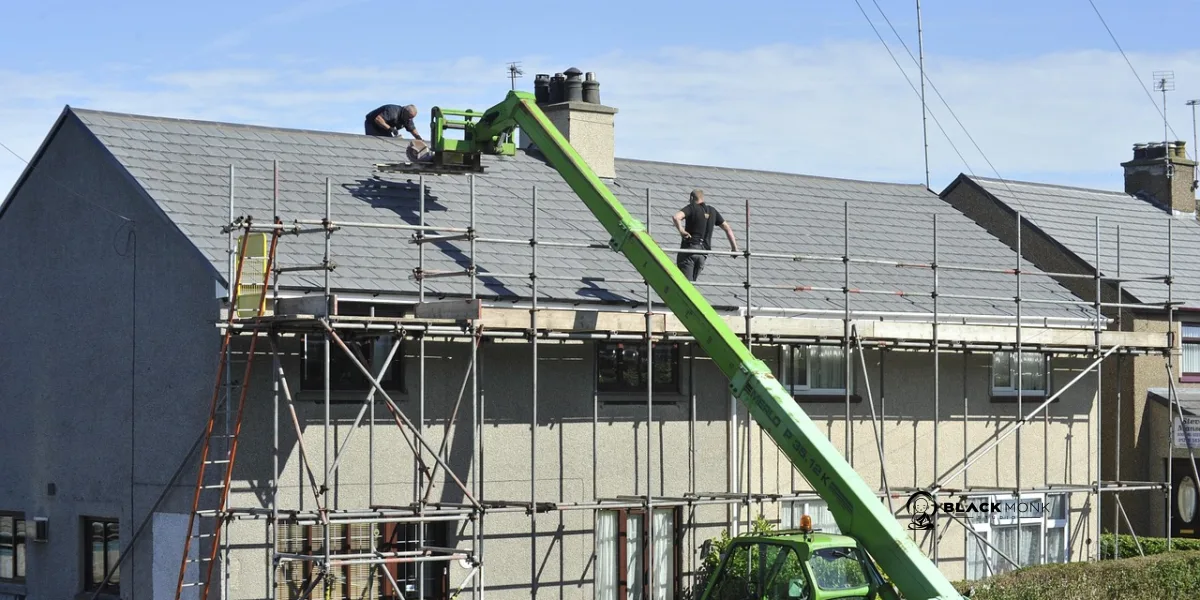
Content Marketing For Roofing means publishing useful, honest material that answers the questions homeowners, property managers and builders ask before they choose a roofer. I use it as a way to earn trust and enquiries without relying only on paid ads or referrals. The problem is that most roofing firms have a website with a service list and a phone number, and nothing that helps a buyer decide. The benefit of a planned content approach is that your business shows up when someone searches for a repair, a replacement or a second opinion, and it does so while the buyer is still comparing options. This guide sets out a method you can run with a small team.
Key takeaways
- Start with the questions your buyers ask on the phone, then turn each one into a page or article.
- Match each piece to one buyer stage: spotting damage, comparing repair with replacement, or choosing a contractor.
- Show real evidence such as photos, materials, warranties and permits, and never invent results.
- Track enquiries and booked inspections, not only visits, and review the content every quarter.
What Content Marketing For Roofing Actually Covers
In practical terms, Content Marketing For Roofing is the work of creating pages, guides, photo galleries and short videos that help a property owner understand a roofing problem and take the next step. It is not the same as posting roof photos on social media every week. A good library answers a specific question, such as how to tell whether hail damage needs a claim or a repair, and then explains how a roofer inspects the problem.
For roofing, the buyer is usually a homeowner, a landlord, a facilities manager or a general contractor. Each one searches in a different way. A homeowner may type a symptom like water stain on ceiling. A facilities manager may search for commercial flat roof maintenance. A builder may look for a supplier of a specific membrane. Your content plan should map these searches before you write anything.
I treat the content as a sales support tool, not a brochure. The job is to reduce doubt. If a reader finishes the page knowing what to check, what questions to ask a roofer and what a fair inspection includes, the page has done its work even when the reader does not call that day.
- Problem guides explain leaks, blistering, ice dams, storm damage and gutter faults in plain terms.
- Service pages describe repair, replacement, flat roofing and inspection work with clear scope.
- Project stories show the job type, the problem found and the fix, without invented numbers.
- Local pages cover the towns, postcodes or districts you serve.
How Roofing Buyers Search and Decide
Roofing is a high-stakes purchase that people make rarely. Most homeowners have not replaced a roof in years, so they do not know the vocabulary. They search by symptom first, then by the type of job, and only at the end by company name. That pattern shapes which content you should build first.
The sales cycle can be long. A homeowner may notice a stain, wait for a storm, get two quotes and then ask a neighbour. A property manager may need approval from a board before any work starts. Content that stays useful over this whole cycle is more valuable than a single offer page.
Symptom searches
People search for what they see: a drip in the loft, curling shingles, moss on the north side. These are informational queries. Answer them with a clear diagnosis guide that explains likely causes and when to call an inspection.
Comparison searches
Later in the cycle, buyers compare options: repair or replace, metal or tile, one quote or three. These are commercial investigation queries. Be honest about trade-offs, including cases where a repair is the better choice.
Choosing Topics That Bring Qualified Enquiries
Start with your own call log and the questions your estimators hear every week. Write down the first ten questions a new caller asks. These are your topic list. They are more reliable than generic keyword lists because they reflect real local concerns about cost, timing and insurance.
Next, check search demand for each topic. Use a free tool such as Google Search Console on your own site to see which queries already bring impressions, and look at what ranks in your area. If a topic brings searchers but no competitor answers it well, that is a good first target.
- List the questions asked on calls and in site visits.
- Group them by stage: spotting a problem, choosing a fix, choosing a roofer.
- Pick one question per page and write the answer in the first paragraph.
- Add local detail only where it is true, such as the building types you handle.
Avoid topics you cannot serve. A page about heavy commercial membranes will not help if you only do domestic pitched roofs. Readers notice a mismatch quickly, and it hurts trust.
Writing Roofing Guides Homeowners Can Trust
Trust is the main currency in roofing content. Use plain language, short paragraphs and clear headings. Explain any technical term the first time you use it. For example, flashing is the metal or membrane strip that seals joints where a roof meets a wall, chimney or vent.
Show your working. If you say a leak often starts at a flashing joint, explain how you checked it, what the inspector looks for and what a homeowner can safely check from the ground. Avoid promises about longevity or savings that you cannot back up. Say what a price depends on: roof size, pitch, access, materials and the condition of the decking below.
Content that is honest about limits
Say when a DIY fix is unsafe. Working on a roof carries serious fall risk, and that is a safety point for a qualified professional and a health and safety advisor, not a place for guesswork. Note also that insurance claims depend on the policy wording, so send readers to their insurer or a qualified adviser for those questions.
Consider adding a short section on what a good quote includes: scope, materials, warranty terms, waste removal and who handles permits. Readers who learn this will compare quotes more fairly, and the roofers who answer clearly tend to win the work.
Formats That Work for Roofing Content
No single format fits every question. A written guide suits a symptom or cost question. A photo gallery suits a before-and-after job. A short video suits a walk-through of a roof inspection. Pick the format that makes the answer fastest to understand.
| Format | Best for | Main effort | Watch out for |
|---|---|---|---|
| Written guide | Symptoms, costs, comparisons | Research and editing | Thin content with no local detail |
| Photo project page | Showing finished work | Consent and clear captions | Photos without a stated problem and fix |
| Short video | Inspection steps, safety tips | Filming and captions | Sales pitch that hides the useful part |
| Local service page | Town or district coverage | Keeping details accurate | Copied text across many towns |
Whatever the format, add a clear next step. For a repair page, that might be a request for an inspection. For a comparison guide, it might be a downloadable checklist. Keep the call to action in the same place on each page so readers know where to look.
Local Visibility and Google Business Profile
Most roofing enquiries are local. Your content should support your local presence, not replace it. Keep your Google Business Profile accurate, with the right categories, service areas, opening hours and photos of recent work that you have permission to show.
Link the profile to your most useful service pages. A homeowner who reads a repair guide and then finds your profile should see the same business name, phone number and service area. Mismatched details confuse both readers and search engines.
- Create one page per main service, with a clear title and a short local intro.
- Write a separate page for a town only when you do real work there.
- Ask past customers for reviews after a completed job, without offering incentives that break review rules.
- Keep your name, address and phone details identical across the site and directories.
For technical checks on how search engines read your pages, the Google guide to SEO starter guide covers the basics. It is a good reference before you publish a large batch of local pages.
Measuring Roofing Content Results Honestly
Track the outcomes that matter to your business: inspection requests, phone calls, quote requests and booked jobs. Page views and impressions are useful early signals, but they do not prove the content earns work. Set up Google Analytics so that form submissions and call clicks are recorded as events.
Ask every new caller how they found you, and record the answer in your CRM or a simple spreadsheet. Callers often mention a specific guide or a video, and that gives you evidence that goes beyond analytics.
A simple monthly review
- Note which pages brought calls or form fills.
- Check which pages get traffic but no enquiries, and improve the next step.
- Update any guide where prices, rules or product names have changed.
- Retire pages that no longer match the services you offer.
Be realistic about timing. A roofing site often needs several months of steady publishing before results become clear, because seasonal demand and the long buying cycle slow the feedback. Expect a slow build, not an overnight change.
Common Mistakes in Roofing Content Marketing
The most common mistake is writing for search engines rather than homeowners. Pages that repeat a town name twenty times read badly and do not convince anyone. Google's guidance on helpful content asks whether content gives real value to people, which is a good test to apply before you publish. Read the Google Search Central guidance on helpful content for the principles.
A second mistake is publishing stock photos of roofs as if they were your work. Readers and platforms can tell the difference, and it harms trust. Use your own photos, or say clearly when an image is an illustration.
- Writing about every roofing topic instead of the few jobs you want more of.
- Hiding prices or scope so completely that the page feels evasive.
- Making claims about warranties or energy savings without stating the conditions.
- Creating many near-identical town pages with no local detail.
- Forgetting to update guides after material or regulation changes.
Also avoid misleading claims in ads that point to your content. Advertising rules apply to content that promotes a service, so check the FTC advertising and marketing guidance if you operate in the United States, and local rules elsewhere.
A Practical Plan for the First Six Months
Begin with a small plan you can keep. Publish two strong pages a month and maintain them. In the first month, audit your website, your Google Business Profile and your call log. Then write the three guides that answer your most common caller questions.
In months two and three, add one project page each month, with photos you own, a clear problem and the fix you carried out. Add a short video of your inspection process if you can film it safely and with consent. Keep a note of which questions customers ask after reading each page.
- Month one: audit the site and profile; write three problem guides.
- Month two: publish a repair versus replacement comparison and one project page.
- Month three: add a local service page for your main area and a quote checklist.
- Months four to six: review data, update old guides and expand the topics that bring enquiries.
If you have an in-house marketing team, this plan can run internally. If not, many roofing firms find it easier to outsource the writing and the technical setup while keeping the expertise in-house.
Questions & answers
What is Content Marketing For Roofing?
Content Marketing For Roofing is the practice of publishing helpful guides, project pages and videos that answer the questions homeowners, landlords and builders ask before hiring a roofer. The aim is to build trust and bring in qualified inspection or quote requests. It works alongside your phone line, your Google Business Profile and your sales process, rather than replacing them.
How much does Content Marketing For Roofing cost?
Cost depends on how many pages you publish, whether you film video, how much local research is needed and whether you write in-house or hire help. Setup work such as auditing the site and fixing tracking also adds effort. Ask any provider for a clear scope, a list of deliverables and a plan for measuring enquiries before you agree a figure.
Do I need a blog to do content marketing for a roofing business?
You do not need a blog with a fixed name, but you do need organised pages that answer buyer questions. Service guides, project pages and local area pages can all serve this purpose. A blog suits ongoing topics well, while a fixed set of service pages is a good start for a small firm with limited time.
What topics should a roofing company write about first?
Start with the questions your team hears every week, such as how to spot a leak, when a repair is enough and what a quote should include. These topics match real buyer intent and are easy to answer honestly. Add comparison and local pages once the basic guides are published and maintained.
How long does it take for roofing content to bring in leads?
Results often take several months because roofing buyers research slowly and seasonal demand changes the pattern of enquiries. Early signals include impressions, time on page and calls from specific guides. Judge the work over at least two or three quarters, and review which pages produce booked inspections rather than only visits.
Is it safe to give DIY roof repair advice in articles?
Be careful. Roof work carries serious fall risk, so articles should explain safe ground-level checks and recommend a qualified roofer for anything on the roof. Never give advice that asks a reader to climb or work on a roof without proper training and equipment. For legal or insurance questions, point readers to a qualified professional.
How do I measure whether roofing content is working?
Track inspection requests, call clicks, form fills and booked jobs, and ask every new caller how they heard about you. Connect these events in Google Analytics so you can see which pages lead to contact. Page views help you spot interest, but enquiries and booked work show whether the content earns business.
Should roofing content mention prices?
You can explain what a price depends on, such as roof size, pitch, access, materials and the condition of the decking. Giving full price tables can be useful, but they must be accurate for your area and kept up to date. Many readers accept a clear explanation of cost factors more readily than an unexplained number.
Content Marketing For Roofing works best when it answers the real questions buyers ask, is honest about trade-offs and is measured against booked work rather than vanity numbers. Start with your call log, publish a few strong guides and keep them accurate. If you want help planning topics, writing the pages and setting up tracking, see our content marketing services. For related ideas from other trades, you may also read our guide to smart buildings content.