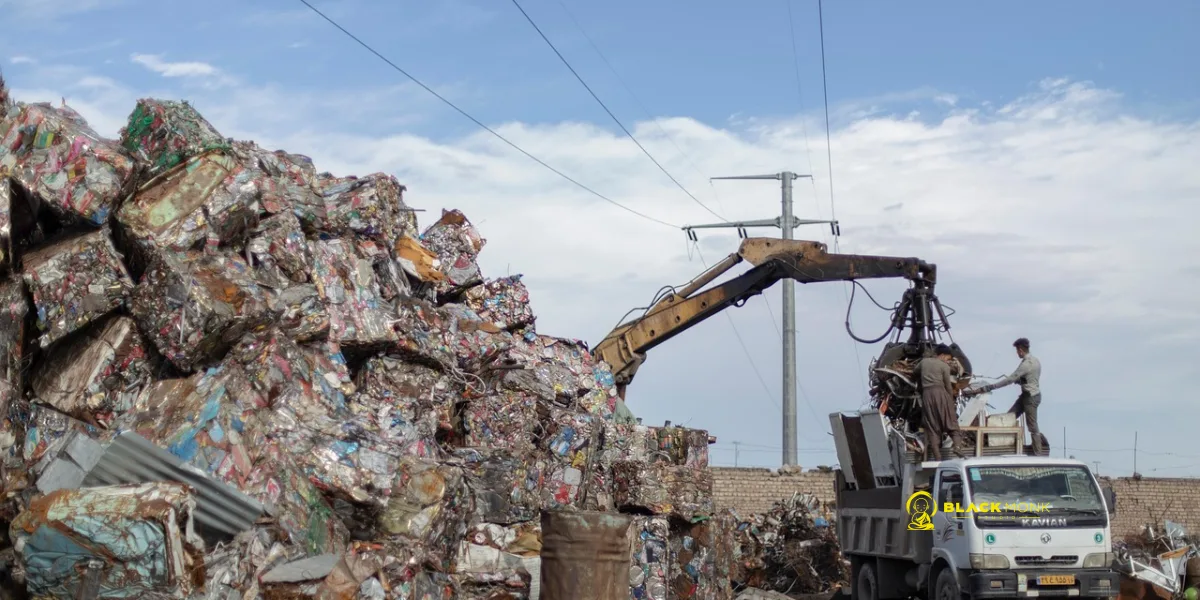
Content Marketing For Waste Management means publishing useful articles, guides and tools that answer the questions commercial buyers ask before they request a quote. I write this for waste haulers, recyclers and facility service firms who sell to businesses, councils and industrial sites. The problem is simple: most buyers research online for weeks, yet many waste companies only have a service list and a phone number. Good content fills that gap, so your firm appears when a facility manager searches for a collection option, and it earns trust before the first call. In this guide, I explain which topics to choose, how to structure pages, what to publish each month and how to measure whether content brings contracts.
Key takeaways
- Write for the people who sign waste contracts: facility managers, procurement leads and sustainability officers.
- Build content around questions buyers ask before they call, such as service scope, pricing drivers and compliance duties.
- Track enquiries and contract conversations, not only page views.
What Content Marketing For Waste Management Covers
Content Marketing For Waste Management is the practice of creating helpful material that sits between a buyer's first question and their first quote request. It includes service guides, local collection pages, FAQs, checklists and short explainers on commercial waste collection rules. The aim is not to write for search engines alone. The aim is to help a person make a better decision about their bins, skips or compactors.
Waste buyers are unusual. A purchase might involve a facility manager who handles daily operations, a finance lead who reviews invoices, and a sustainability officer who must report on diversion from landfill. Each person asks different questions, and each one searches differently. Your content should map to those roles.
The method is informational at its core, but the business goal is commercial. Each article should lead to a clear next step, such as a service page, a waste audit request or a contact form. Without that path, you attract readers who never become customers.
Who the content is for
- Facility managers who need reliable collection schedules and container sizes
- Procurement teams comparing contracts, service levels and reporting
- Sustainability leads looking for diversion data and recycling guidance
- Property managers and councils who need clear local service information
Why Waste Buyers Research Before They Call
Most waste contracts are reviewed carefully because they are hard to change once signed. A buyer may compare several haulers, ask colleagues and read reviews before contacting anyone. Many of those steps now start with a search engine or an AI assistant. If your firm has no clear answers online, a competitor with a detailed guide gets the first look.
Sales cycles in this industry often run for months. A site may need a site visit, a waste audit or a pilot period before a contract starts. Content supports every stage: it helps a buyer understand the problem, then the options, then the questions to ask a supplier.
Trust matters as much as ranking. Buyers want to know that you understand local rules, safe handling and honest pricing. Publishing plain-language explanations shows that you know the work, which is more persuasive than a list of services.
Which Topics Should a Waste Company Publish?
Start with the questions your sales and operations teams hear every week. Your call notes, quote requests and site visits are better research than generic keyword tools. Group these questions into topics, then decide which service each one supports.
| Buyer question | Content format | Service it supports |
|---|---|---|
| How often should our bins be collected? | Collection frequency guide | Commercial collection |
| What size container do we need? | Container sizing checklist | Skip and bin hire |
| Why was our load rejected? | Contamination explainer | Recycling collection |
| What should a waste audit include? | Audit template and steps | Waste audit service |
| How do we report diversion from landfill? | Reporting guide | Sustainability reporting |
Pick two or three topics where you can show real experience. Avoid writing about every waste stream at once. A focused library of ten strong pages will do more than fifty thin ones.
How to Structure a Waste Management Content Page
Each page should answer the main question in the first two or three sentences. Buyers scanning on a phone need to see the answer before the background. Follow that opening with clear sections, a short checklist and one specific next step.
- State the answer in plain English, with the main keyword in the first paragraph.
- Explain what the buyer needs to check, such as site access, waste volumes or local rules.
- List common mistakes, such as ordering a container too small or mixing contaminated streams.
- Describe when the advice does not apply, for example when a site has special hazardous waste duties.
- Close with a link to the matching service page and a request for a site assessment.
Use headings that match real questions. Keep paragraphs to two to four sentences. Add a table where you compare options, because buyers often want to see differences side by side.
Compliance Content: Helpful Without Giving Legal Advice
Waste rules differ by country, state and city, and they change over time. Compliance content is valuable because buyers worry about fines and audits. However, you must not present general information as legal advice. Say what the rule generally covers, and direct readers to the official regulator or a qualified professional for their specific duties.
For European audiences, the regulation on chemicals used in industry is a good example. The European Chemicals Agency explains REACH, which affects some materials that waste firms handle. Link to the source instead of paraphrasing it from memory, and date each article so readers know when to check for updates.
Safe compliance writing habits
- Name the official source and link to it
- Mark articles as general information
- Review rules each year and update the date
- Ask a qualified adviser to check any claim about legal duties
Turning Content Into Enquiries and Contracts
Content only pays off when it connects to your sales process. Every article should lead to one clear action, such as requesting a quote, booking a waste audit or downloading a container sizing checklist. Keep the form short and ask for the information your sales team needs to respond quickly.
Use internal links to guide readers through the buying journey. A reader who starts with a general guide should find the matching service page within one click. Link to related articles where they add real value, not just to increase page count.
Your sales team should also use the content. When a prospect asks a common question on a call, send the relevant page and note it in your CRM. This creates a feedback loop that shows which articles help close deals.
How to Measure Content Marketing Results
Page views are a weak signal for B2B waste firms. A useful article might attract a small number of visitors who are all facility managers with active contracts. Measure the outcomes that matter to the business.
- Quote requests and contact form submissions that started on content pages
- Phone calls tracked from article pages, using call tracking where appropriate
- Search Console impressions and clicks for target phrases
- Contracts signed that trace back to a content touchpoint in your CRM
Set up conversion tracking in Google Analytics and review it monthly. Compare the leads from each topic cluster, then invest more time in the clusters that produce qualified enquiries. Be honest about timelines: results depend on your local competition, your website quality and how consistently you publish.
Common Mistakes Waste Companies Make With Content
The most common mistake is writing about the company instead of the buyer's problem. A page that says we are the leading provider does little for a procurement officer who wants to know about contract terms. Focus on specifics like service frequency, reporting and site rules.
The second mistake is publishing too much too fast. A steady schedule of two strong articles a month often beats a burst of ten weak posts. Update old pages when regulations or services change, because outdated information damages trust.
The third mistake is ignoring technical basics. Pages should load quickly on mobile, use clear headings and have a descriptive title. For a deeper look at how local waste firms get found, read our guide on search visibility. Also, check Google Search Central's guidance on helpful content before publishing.
Questions & answers
What is content marketing for waste management?
Content marketing for waste management means publishing useful articles, guides and tools that help commercial buyers understand their waste options. The goal is to be the company they trust when they are ready to request a quote. It works best when the content answers real questions from facility managers and procurement teams.
Is content marketing worth it for a small waste hauler?
It can be, especially when your service area is local and buyers search before they call. A small team should start with a few service-area and compliance guides rather than a large blog. Results depend on how competitive your region is and how consistently you publish and update pages.
Which topics should a waste management company write about?
Start with the questions your sales team hears most often. These usually include collection schedules, container sizes, contamination rules, waste audits and how to read an invoice. Pick topics that connect to a service you actually sell.
How long does content marketing take to show results?
Most B2B content takes several months to rank and generate enquiries because buyers research slowly and contracts run for years. Timelines depend on your website, the competition in your area and how well your pages match search intent. Track progress with leads and quote requests, not only traffic.
Do I need a blog, or are service pages enough?
You need both. Service pages close the sale, while articles answer the questions that come before it. A blog without clear service pages attracts readers who never become customers.
Can content help with compliance questions?
Yes, content can explain general rules, such as how businesses should sort recyclables or keep records. However, it should not replace advice from a qualified legal or regulatory professional. Always link to the official regulator's guidance and state when your article is general information.
How do I measure content marketing for a waste company?
Track the number of quote requests, calls and contact form submissions that started on content pages. Then follow those leads to see which articles led to signed contracts. Use Google Analytics to see landing pages and conversions, and your CRM to connect them to revenue.
Should I hire an agency or do it in-house?
Choose based on your team's time and skills. An agency can help with strategy, writing and measurement, while in-house staff know the operations best. Many firms combine both, with internal experts reviewing content written by a marketer.
Content Marketing For Waste Management works when it answers the real questions buyers ask before they request a quote, and when every article leads to a clear next step. Start with two or three focused topics, measure enquiries and signed contracts, and update pages as rules and services change. If you want help planning this for your firm, see our content marketing services for a structured plan, or read our social media marketing guide for waste management to see how it fits with your wider mix.