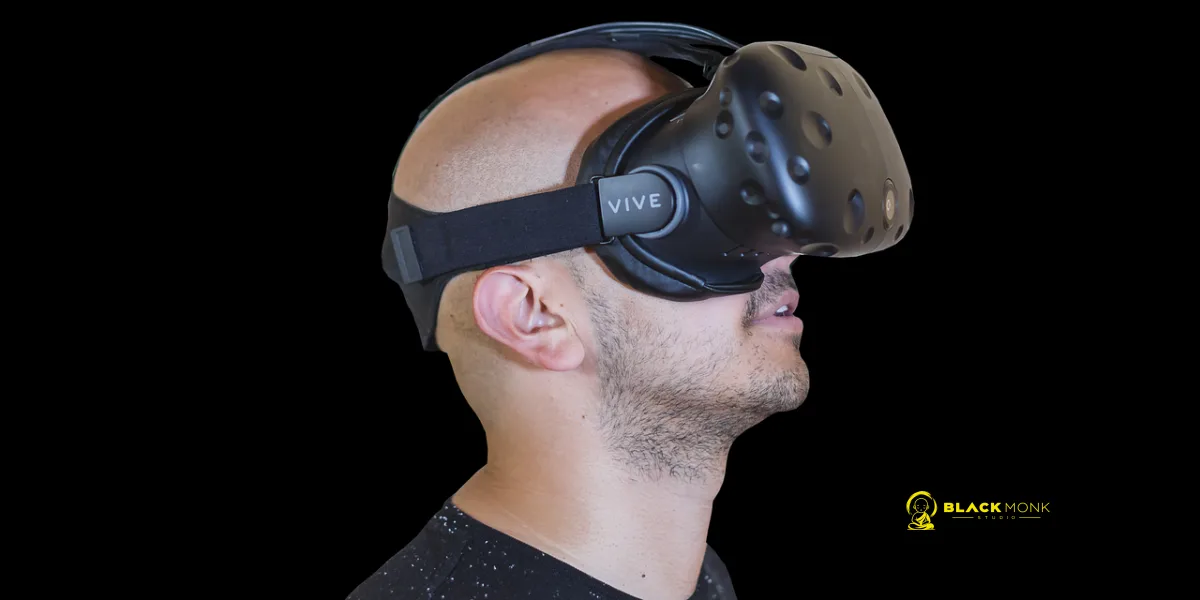
Google Ads Management For AR/VR means running paid search campaigns for augmented reality (AR) and virtual reality (VR) companies, so that the right engineers, buyers and studios see your ads and fill in a useful enquiry. The problem is that AR/VR search demand is small, mixed with consumer curiosity, and often slow to convert into a contract. The benefit of doing it well is that you stop paying for clicks from gamers and students and put your budget behind the enterprise training, design and industrial buyers who actually sign. In this guide I explain what the work involves, what it depends on, and where it commonly goes wrong.
Key takeaways
- Define the buyer first: a headset consumer, a training manager and a simulation engineer search differently and need different campaigns.
- Track qualified demo requests and sales-stage events in Google Ads, not only form fills, before you judge results.
- Use strict negative keywords to remove gaming, free-app and student searches that drain budget.
- Match each ad group to one landing page that names the specific use case, such as industrial training or medical simulation.
What Google Ads Management For AR/VR actually covers
In practice, Google Ads management for an AR/VR company means planning which searches to bid on, writing ads that match those searches, building landing pages with a clear next step, and tracking which clicks become real pipeline. It is not only setting daily budgets. The work starts with a question: who pays for this product, and what do they type when they have a problem?
AR/VR businesses sell very different things. A hardware brand sells headsets to consumers and enterprises. A software company sells XR training platforms to manufacturers. A studio sells immersive experiences to brands and museums. Each has a different buyer, budget and sales cycle, so each needs a different campaign plan.
I treat the account as a funnel with three layers: awareness searches (what is virtual reality training), comparison searches (best AR remote assistance software), and buying searches (AR maintenance platform pricing or XR studio for product demo). Most of the budget should go to the last two layers, because they are closer to a purchase decision.
Who searches for AR and VR, and what do they want?
Search volume for AR and VR terms is modest compared with mainstream software categories. Many searches come from gamers, students and hobbyists. Those people can click your ad and cost you money without ever becoming a customer. That is the core challenge of this niche.
Enterprise and industrial buyers
Training managers, plant engineers and product designers often search with specific terms such as AR work instruction software or VR safety training simulation. Their intent is commercial investigation: they compare vendors, read case material and request a demo. They usually involve procurement and IT, so the sales cycle can run for months.
Consumers and hobbyists
Searches such as best VR headset for beginners or free AR app are informational or transactional at the consumer level. They can make sense for a hardware retailer, but they rarely fit a B2B XR studio. Decide early whether you sell to consumers, and if not, exclude these searches.
How to set campaign goals for an XR business
A good goal is tied to a stage in the sales process, not to a click count. For a B2B XR software company, the most useful primary goal is a demo request that a sales team has marked as a real opportunity. For a studio, it may be a qualified project enquiry with a budget range and a timeline.
- Write down the one action that makes a lead worth a salesperson's time.
- Agree with sales what counts as a qualified lead and which fields prove it.
- Set a secondary goal, such as a whitepaper or product video view, to learn from early visitors.
- Review the goal quarterly, because enterprise deals take longer to close than consumer purchases.
Be honest about the trade-off. A narrow goal produces fewer conversions but better leads. A broad goal fills the dashboard but may waste money on students and curious visitors. The right choice depends on your average deal size and how many leads your sales team can handle each month.
Keyword research and negative keywords for AR and VR
Keyword research for this niche should start from the problem a buyer wants solved. Terms such as remote expert assistance, immersive safety training or 3D product visualisation are closer to purchase than the broad word virtual reality. Use the search terms report in Google Ads each week to see what people actually typed.
Negative keywords are essential here. Add terms such as free, game, Steam, download, cheap and jobs when they do not match your offer. Also exclude student and homework phrases if you do not serve education buyers. Review the Google Ads Help pages on negative keywords and search terms so you use match types correctly.
| Search type | Likely intent | Suggested action |
|---|---|---|
| augmented reality training software | Commercial investigation | Bid, send to a use-case page |
| free VR games | Entertainment | Add as negative |
| VR headset price comparison | Consumer transactional | Usually exclude for B2B |
| XR maintenance platform demo | Transactional | Bid with high priority |
Campaign structure: themes, ad groups and landing pages
Structure the account around use cases rather than around the word AR or VR. One campaign for industrial training, another for remote assistance and another for marketing or retail experiences lets you set separate budgets and read results clearly. Each campaign then holds ad groups of closely related keywords.
Each ad group should send traffic to one landing page that uses the same language as the search. If someone searches for VR safety training, the page should show safety training examples, not a generic company overview. This improves relevance and helps your quality scores, which affect cost per click.
- Keep one clear call to action per page, such as request a demo.
- Show the sector, the device types you support and the typical onboarding steps.
- Name the integrations you support, for example with your existing learning management or asset systems, only if they are real.
- Make sure the page loads quickly and works on mobile; the web.dev guide to Core Web Vitals explains what to measure.
Ad copy and offers that suit technical buyers
Technical buyers distrust hype. They respond to specific claims they can check: the type of headset you support, the workflow you replace, or the kind of training you deliver. Avoid words like revolutionary or the future of work. They add nothing and can reduce trust.
Offers should match the stage of the buyer. A demo is right for a bottom-funnel search. For a comparison search, a use-case guide or a short video may be a better offer. Ad extensions such as sitelinks can point to case studies, the process page and a contact form, so the buyer picks the path that fits.
Follow the advertising rules that apply to your claims. The FTC advertising and marketing guidance is a useful reference for claims about performance or savings. If you make health, safety or regulatory claims, check with a qualified professional before publishing.
Tracking and measuring leads in an AR/VR sales cycle
Measurement is where most AR/VR accounts fail. A form fill is not the end result. For enterprise XR, a lead can take months to become an opportunity, so you need to pass back the sales outcome to Google Ads, not just the form submission.
- Set up Google Analytics 4 and link it to Google Ads, following the Google Analytics Help guidance.
- Use Google Tag Manager to fire events for demo requests, pricing page views and video plays.
- Import offline conversions from your CRM when a lead becomes a qualified opportunity.
- Compare cost per qualified opportunity by campaign, not only cost per form fill.
Expect small numbers. Low volume means results can swing from month to month, so avoid changing budgets every few days. Look at trends over one or two quarters, and keep a log of major changes so you know what caused a shift.
Common mistakes in Google Ads Management For AR/VR
- Bidding on broad terms like virtual reality, which attracts gamers and students.
- Sending all ad groups to the homepage, which weakens relevance.
- Counting every form fill as a lead, and never checking sales feedback.
- Using the same message for consumers and enterprise buyers.
- Ignoring the search terms report for months at a time.
- Launching a campaign with no conversion tracking, then guessing which keywords work.
Each mistake is common because it looks reasonable at first. The fix is usually a simple review routine: check the search terms each week, compare leads with sales outcomes each month, and rewrite landing pages when a use case gets traction.
When paid search is not the right channel for AR/VR
Paid search is not always the best first step. If your product is new and buyers do not yet know the category, search demand may be too thin to fund a meaningful test. In that case, content, partnerships, trade shows and LinkedIn outreach may do more work at the start, and search can follow once buyers recognise the problem.
Paid search also depends on your website. If your pages are slow, unclear or missing a demo path, more clicks will not fix the result. Improve the landing pages and tracking first. Community discussions can help you test whether a channel fits; practitioners compare notes in r/PPC, though advice there should be checked against your own data.
Choosing an agency for Google Ads Management For AR/VR
When you evaluate an agency or freelancer, ask how they would separate consumer searches from enterprise searches. A good answer names negative keyword lists, use-case campaigns and offline conversion imports. A weak answer promises a number of leads without asking about your sales process.
Ask to see how they report. You want to see cost per qualified opportunity, the search terms they excluded and the changes they made in the last month. Also ask what they need from you: CRM access, sales feedback, product claims that have been approved and a realistic time frame for learning.
Questions & answers
What does Google Ads management for AR/VR companies include?
Google Ads management for AR/VR companies covers keyword research, campaign structure, ad writing, landing page alignment, negative keywords and conversion tracking. The work is tuned to your buyer, whether that is an enterprise training manager, a plant engineer or a consumer. Good management also links clicks to qualified sales opportunities, so you can judge the spend properly.
How much does it cost to run Google Ads for an AR or VR business?
The cost depends on your keywords, how competitive the bids are, your geographic targeting and your target audience. Enterprise XR terms are often more expensive per click than consumer terms, but they can bring more valuable leads. Set a budget you can keep running for a full quarter, because short tests rarely show reliable results in this niche.
Should an AR/VR startup use Google Ads or LinkedIn Ads first?
Google Ads suits buyers who already search for a problem, such as remote assistance software or VR safety training. LinkedIn Ads suits reaching specific job titles in target companies. Many B2B XR companies start with search if demand exists, then add LinkedIn to reach buyers who are not yet searching.
Which keywords should I avoid in AR and VR campaigns?
Avoid broad consumer terms that attract gamers, students and hobbyists, such as free VR game, VR app download or cheap headset. Add these as negative keywords unless you sell to consumers. Review the search terms report weekly, because new irrelevant queries appear regularly and can waste budget quickly.
How long does it take to see results from Google Ads for XR software?
Expect a learning period of several weeks before the account settles, and a longer period before you see sales outcomes. Enterprise AR/VR deals can take months to close. Judge performance over a full quarter, using qualified opportunities from your CRM rather than only form fills.
Do I need conversion tracking before I start Google Ads for AR/VR?
Yes, you should set up conversion tracking before spending meaningful budget. Without it, you cannot tell which keywords and campaigns produce demo requests or opportunities. Use Google Analytics 4 with Google Tag Manager, and import offline conversions from your CRM when leads progress through the sales stages.
Can a small AR studio run its own Google Ads account?
A small studio can run its own account if it has time for weekly search term reviews and a clear offer. The risk is spending on searches that are not relevant to paying clients. If you do not have the time, an outside specialist can set up tracking and negative keywords in the first month and hand over a simple routine.
What makes a good landing page for an AR/VR Google Ads campaign?
A good landing page repeats the search term, names the use case and offers one clear next step, such as a demo request. It should show real examples, the device types supported and the onboarding process. Pages should load quickly on mobile and be easy to read, so buyers can check the claims without searching for more information.
Google Ads Management For AR/VR works best when you know your buyer, separate enterprise searches from consumer ones and measure qualified opportunities rather than clicks. Start with use-case campaigns, strict negative keywords and conversion tracking, then review the search terms every week. If you want a second opinion on your account structure or tracking, see the PPC and Google Ads management service page at Black Monk Studio. For related sector examples, read the guide to Google Ads management for mobile app development.