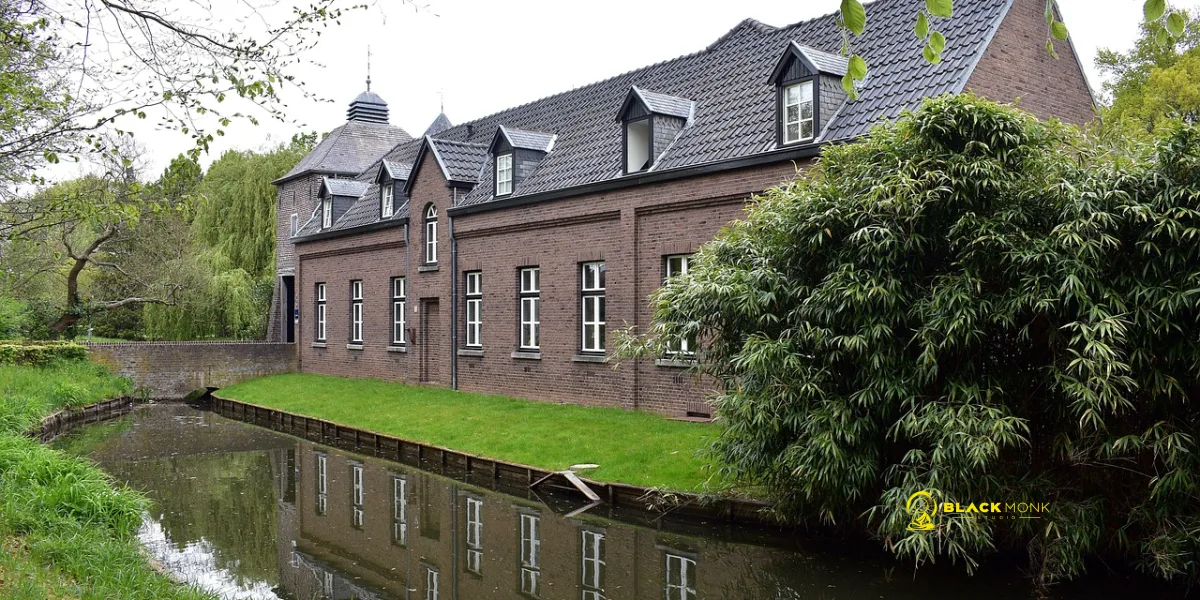
SEO For Urban Planning means making a planning firm easy to find when a municipality, developer or community group searches for help with zoning, masterplans or land-use studies. I define it here as the work of matching your website pages to the questions these buyers type into Google, then earning trust so they contact you. The problem is that most planning firms rely on tenders, referrals and past projects, which are slow and hard to predict. Search can add a steady flow of qualified enquiries if the site is built around how these buyers actually search, and that is what this guide explains.
Key takeaways
- Start with the questions your buyers ask before a project begins, such as zoning rules, feasibility studies and public consultation.
- Build one clear page for each service and each project type, with the location, scope and typical outcomes spelled out.
- Track enquiries from organic search in your CRM so you know which pages bring real clients, not just visits.
What SEO For Urban Planning Actually Covers
Search engine optimisation (SEO) is the practice of improving your website so search engines can understand it and rank it for relevant queries. For a planning firm, SEO For Urban Planning means shaping that work around the people who hire planners: municipal officers, housing associations, developers, architects and community groups. I treat it as a sales channel, not a brochure.
In practice the work covers four areas. You research the phrases buyers use, you structure the site so each service has a clear home, you make the technical base sound, and you build credibility through content and reviews. Each area supports the others, so skipping one usually weakens the rest.
SEO For Urban Planning is also different from consumer SEO. A municipality may need a masterplan for a district and will search for procurement language, while a developer may search for a site feasibility study in a specific city. Your pages should reflect both kinds of search, using the terms each group actually types.
- Keyword research built around real briefs, tender notices and client questions
- Service pages for masterplanning, zoning, impact assessment and public engagement
- Technical checks so pages load, index and display correctly
- Authority signals such as project descriptions, credentials and reviews
Who this does not suit: a firm that only works on confidential government contracts and never publishes project information may find SEO slow to pay back. In that case, the value lies mainly in the firm's own website and profile pages, not in broad content.
How Urban Planning Buyers Search Differently
Search behaviour in this sector is long and specific. A buyer rarely types just "urban planner". They search for a service plus a place, a regulation or a problem, such as "neighbourhood masterplan consultant" or "transport-oriented development feasibility". Knowing this shapes every page you write.
Buyers also search in stages. Early on, a municipal officer may look up how a local plan works. Later, when a budget is approved, they search for firms that have delivered similar schemes. Your content should answer both stages, so the same firm appears when the need is still forming and when the decision is near.
Three buyer groups to plan for
| Buyer | Typical search | Page they need |
|---|---|---|
| Municipal officer | public consultation planning consultant | Service page with procurement details and sector experience |
| Developer | site feasibility study for mixed use | Project type page with process and typical timeline |
| Community group | how to comment on a local plan | Explainer article written in plain language |
Before you write anything, list these groups and the questions each one asks in its first week of research. Interviews with recent clients, notes from bid debriefs and questions from your own inbox are the best sources. Public keyword tools can then show how often those phrases are searched, though volumes for niche planning terms are often small.
Keyword Research for Planning Firms
Keyword research is the step where you decide which phrases deserve a page. For SEO For Urban Planning, the strongest targets are commercial phrases, such as a service plus a place, and informational questions that lead to a service. Both matter, but they serve different parts of the sales process.
- Collect 50 to 100 phrases from client emails, tender documents, sales calls and public planning portals.
- Group them by service, such as zoning review, masterplanning, environmental assessment or stakeholder engagement.
- Mark each phrase as informational, commercial or transactional, based on what the searcher wants.
- Check the search results for each phrase to see whether firms, government pages or guides appear.
- Pick one primary phrase per page and two or three close variations to support it.
A common mistake is targeting only the broadest term, such as "urban planning". That term is dominated by universities, government bodies and large media sites, so a small firm rarely wins it. Long, specific phrases with a clear buyer are easier to rank for and more likely to produce a call.
Where a phrase is too niche for a keyword tool, the search results themselves are a good guide. If the top results are local planning department pages, your service page should target the commercial angle instead, such as how a firm supports applications rather than how the process works.
Structuring Service and Project Pages
A planning firm's website should have one page for each core service and one for each major project type. Each page must answer three questions quickly: what you do, who it is for and what a client gets. Vague pages with stock images and no detail are the most common reason firms fail to rank.
Start each service page with a short summary that names the service, the typical client and the area you cover. Follow with the stages of your process, the outputs clients receive, such as a report, a planning statement or a consultation summary, and the sectors you have worked in. Keep the page specific enough that a planner could judge your fit in two minutes.
What to include on a project page
- Project type, location and client sector, described without confidential detail
- The problem the project solved, such as a stalled site or a contested consultation
- Your role and the deliverables you produced
- A plain-language summary of the outcome, where you have permission to share it
Internal links help search engines and visitors move between related pages. Link your masterplanning page to a relevant project, and link project pages back to the service. If you publish guides, link them to the matching service page, as in our guide on email marketing for urban planning, which covers how the same buyers can be nurtured after a first visit.
Technical SEO Basics That Matter for Planning Websites
Technical SEO is the set of checks that make a site easy for search engines to crawl, index and understand. Many planning websites carry old PDFs, slow image galleries and duplicate pages from past redesigns. These problems stop good content from ranking, so fixing them is often the fastest win.
Start with the basics. Confirm that every important page can be reached from the menu and has its own title and description. Make sure your XML sitemap lists only pages you want indexed, and that Search Console shows no widespread errors. Google's documentation on the sitemap overview explains how to submit one.
- Page speed on mobile, using the measures in Core Web Vitals
- Clean URLs that describe the service rather than a code or date
- Accessible content, following the WCAG accessibility guidelines, which also helps readers using screen readers
- Structured data where it fits, described in Google's guide to structured data
If your firm works across several cities or countries, language and location settings also matter. Google's notes on localized versions explain how to tell search engines which page serves which audience. Get a technical audit done before you commit budget to new content.
Local Search and Public Sector Visibility
Many planning firms serve a specific region, so local search matters. When a developer searches for a planner near a site, the map results and local listings often appear before organic links. A complete Google Business Profile, with accurate address, service areas and photos, supports this visibility.
Public sector buyers behave differently. Municipal officers often check a firm's track record through published reports, council minutes and procurement records. Your website should make it easy to find which public projects you have supported, using the wording those officers use in their own documents.
- Keep your contact details and office address identical across the website, directories and profiles
- Publish a short credentials page with memberships and professional qualifications you can verify
- Ask satisfied clients for reviews where their policy allows it, and never invent or buy them
Sector rules can limit what you publish. If you work on contracts with confidentiality clauses, check the terms before you describe a project. For questions about procurement rules or advertising obligations, speak to a qualified legal adviser rather than relying on a marketing blog.
Content That Answers Planning Questions
Content supports SEO by answering questions that come before a service search. A resident wanting to understand a planning application or a developer comparing site options may read a guide first. Good content earns links, builds trust and gives you a reason to appear in search for topics that lead to a call.
Choose topics where your experience gives you an edge. Explain how a consultation process works, what a feasibility study covers or how to prepare for a planning committee. Write for a reader with no planning background, and define each technical term the first time you use it. Thin articles that rewrite government web pages add little value.
A simple content plan for a planning firm
- Publish one service-led guide each month, targeting a commercial or informational phrase
- Update older guides when planning rules or local processes change
- Link each guide to the most relevant service page and to one related project
- Track which guides lead to contact form submissions and expand those topics
Guidance on writing for search users is in Google's documentation on creating helpful content. Use it as a checklist: does the page help the reader decide something, and does it show who wrote it and why they can be trusted?
How to Measure SEO Results for a Planning Firm
Measuring SEO well means connecting search activity to enquiries, not just rankings. Rankings matter, but a planning firm can rank well for a phrase that brings no paying work. Set your measurement up so you can see which pages produce real conversations and proposals.
Use Google Analytics to track organic visits and form submissions, and Google Search Console to see which queries bring impressions and clicks. Tag phone calls and contact forms as conversions. Then, every quarter, compare the leads from organic search with the proposals you wrote and the projects you won. The Google Analytics Help centre explains how to set up conversion events.
- Organic enquiries per month, by landing page
- Share of enquiries that match your target buyer groups
- Proposals sent from organic leads, and how many became projects
- Pages with impressions but low clicks, which need a better title or summary
Be patient. Planning sales cycles are long, often spanning many months between first contact and appointment. Expect a gradual build rather than a sudden jump, and judge progress across at least two quarters.
Common Mistakes and When SEO Is Not the Right Fix
The most common mistake I see is treating SEO as a one-off project. A firm pays for a redesign, launches the site and stops updating it. Search rankings then slip as competitors publish and as the site ages. Plan for ongoing work, even if it is only a few hours a month.
Other mistakes include stuffing pages with keywords, copying text from other firms, and hiding services behind PDFs or image-only pages. Search engines reward clear, original pages. Google's spam policies describe practices, such as manipulative links, that can harm your site.
SEO is not the right first move for every firm. If you have only one or two large clients and a strong referral network, direct business development may pay back faster. If your website is not yet clear about what you offer, fix the positioning first, because search traffic will only magnify an unclear message.
Questions & answers
What is SEO For Urban Planning?
SEO For Urban Planning is the work of making a planning firm's website appear when municipalities, developers and community groups search for planning help. It covers keyword research, service and project pages, technical health and trust signals. The goal is qualified enquiries, not just visits, so pages are written around the questions real buyers ask before they hire a planner.
How long does SEO take to work for a planning consultancy?
It usually takes several months before you see steady organic enquiries, because planning sales cycles are long and new pages need time to be indexed and trusted. Results depend on your current site, how competitive your local market is and how consistently you publish. Judge progress across at least two quarters rather than single months.
Do I need a blog to rank for urban planning services?
You do not need a blog to rank, but you do need clear service and project pages. A blog helps when it answers questions buyers ask before they search for a firm, such as how a consultation works. Start with strong service pages, then add guides that link back to them so readers can move towards contact.
Which keywords should an urban planning firm target first?
Start with service plus place phrases, such as masterplanning consultant in a city or zoning review support for a region. These are commercial phrases that show a buyer is close to hiring. Add informational questions later to support them. Check the results for each phrase to see whether firms or only government pages rank.
Is local SEO important for planning firms?
Yes, local SEO matters for most planning firms because developers and public bodies often search for consultants in a specific region. A complete Google Business Profile, consistent contact details and location pages help you appear in local results. Firms that work nationally or internationally should still create pages for their main regions.
Can SEO help me win public sector tenders?
SEO can help public bodies find your credentials, but it does not replace the tender process itself. Good project pages and clear credentials make it easier for officers to verify your experience. Procurement rules vary, so check your obligations with a qualified adviser before publishing any project details.
How do I measure whether SEO is working for my firm?
Track organic form submissions, calls and proposals in Google Analytics and your CRM, and watch query data in Google Search Console. Look at which landing pages produce enquiries, not only rankings. Compare organic leads with the projects you win each quarter so you can see the real return on the work.
SEO For Urban Planning works best when it reflects how planning buyers search, decide and hire, and when it is supported by clear service pages, sound technical foundations and honest measurement. Start with a list of buyer questions, build pages that answer them, and track which pages bring real enquiries. If you want help auditing your firm's site and mapping its service pages, see our SEO services page, or get in touch through the contact page to discuss your situation.