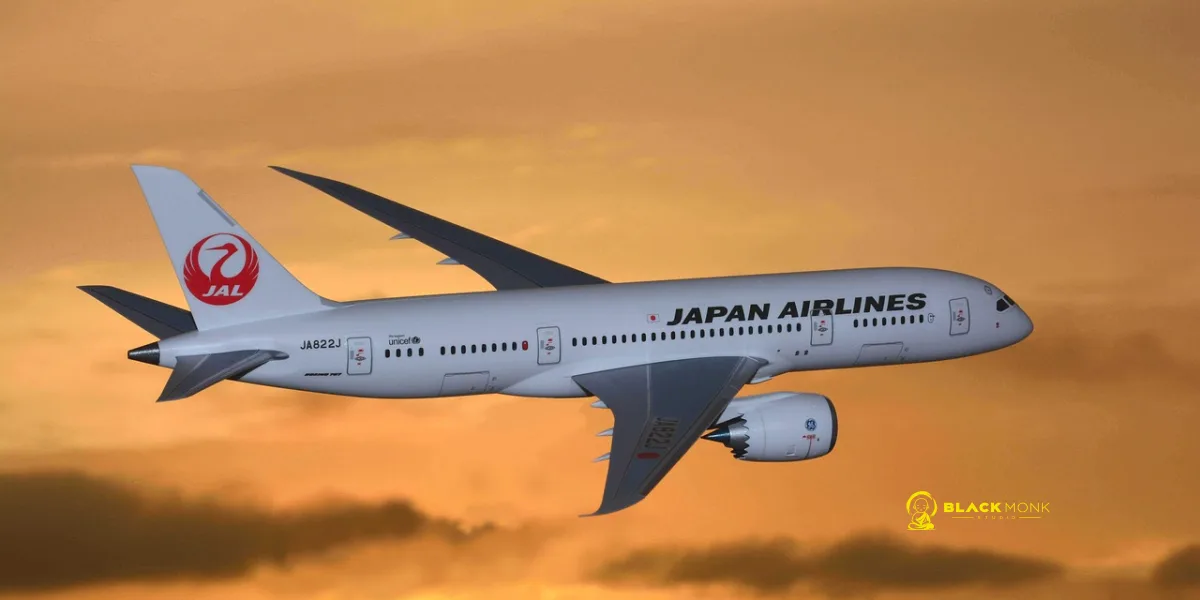
Social Media Marketing For Airlines means using social channels to answer travellers, promote routes and fares, and protect the brand when flights go wrong. For a carrier, this matters because a delayed flight is often first reported on a public feed, not on a call centre queue. I will explain how I approach this work, which channels earn their place, and how to measure results honestly. The benefit is simple: fewer unanswered complaints, more bookings from the right audience, and a clear record of what the spend delivered. Airlines sell a high-value, time-sensitive product, so the sales cycle is short, but the trust cycle is long.
Key takeaways
- Start with customer care and disruption response before campaigns; that is where most airline social traffic lands.
- Pick two or three channels your travellers actually use, and staff response times for them honestly.
- Build a pre-approved disruption playbook with legal and operations sign-off before the next storm.
- Measure bookings, assisted conversions and resolved cases, not just likes and impressions.
What Social Media Marketing For Airlines actually covers
In practice, Social Media Marketing For Airlines covers four jobs: customer care, route and fare promotion, brand content, and paid campaigns aimed at specific markets. Many airline teams treat these as one feed, which causes problems. A promotional post about a new route can sit under a thread of angry passengers asking about a cancelled connection.
I suggest splitting the work into separate lanes with separate owners. Care handles inbound questions, marketing owns planned content and paid media, and operations supplies the facts during an incident. Each lane has its own targets, so a quiet promotional week does not hide a backlog of unanswered complaints.
Care, promotion and brand content
- Customer care: replies to questions about baggage, refunds, seat changes and check-in.
- Promotion: route launches, seasonal fares and loyalty offers, always tied to a clear booking path.
- Brand content: destination stories, cabin and crew features, and behind-the-scenes posts that build trust over years.
Which social channels suit an airline audience?
No channel is best for every airline. The right mix depends on where your travellers ask questions, which markets you fly, and how many people your team can staff. A low-cost carrier serving students has different needs from a long-haul carrier serving business travellers who book through agents.
| Channel | Typical airline use | Main trade-off |
|---|---|---|
| X (Twitter) | Real-time disruption updates and fast replies | Public, fast, and unforgiving of slow answers |
| Facebook and Instagram | Route promotion, destination visuals, paid campaigns | Strong visuals, but comments can turn into complaints |
| Corporate travel programmes, employer brand | Smaller audience, useful for business travel buyers | |
| WhatsApp Business | One-to-one support for booking and flight updates | Needs consent and careful message rules |
| YouTube | Aircraft, cabin and destination guides | Slow to produce; long shelf life |
Check your own data before choosing. Look at where customers already mention your brand, and at which channels your care team gets the most inbound messages. Then choose the channels you can staff well, rather than all of them badly.
How do airlines handle disruption on social media?
Disruption is the highest-stakes part of Social Media Marketing For Airlines. When a weather event or technical fault hits, travellers search for their flight number and check social feeds within minutes. The first accurate reply often matters more than any campaign you run that month.
I recommend a written playbook agreed before the next disruption. It should name who can post, who approves wording, which facts are confirmed, and how often updates go out. It should also say what the team will not do, such as guessing at rebooking rules or commenting on individual compensation claims.
Elements of a disruption playbook
- Set a holding reply that acknowledges the issue and points to the official flight status page.
- Post only confirmed facts from operations, and state the time of each update.
- Route individual cases to a private channel, with a clear hand-off and a named service path.
- Close the loop with a short summary once the disruption ends.
Refund and compensation rules vary by country and by contract, so the playbook should link to the official conditions rather than paraphrase them. For legal questions, involve your legal team and, where needed, the regulator in each market.
Which airline social media content works best?
Good airline content answers a traveller's question or shows a reason to fly. Route announcements work when they include the dates, the fare conditions and a direct booking link. Destination content works when it helps someone decide where to go next, not when it is only a pretty picture.
Video is useful for showing cabins, lounges and airport changes, but it takes time to produce. Use short clips for social feeds and longer guides for YouTube. Keep a simple content calendar, and avoid posting for the sake of volume during a quiet month.
Content types to plan
- Route launch posts with clear travel dates and booking paths.
- Practical guides on baggage, visas, check-in and airport transfers.
- Loyalty programme updates explained in plain language.
- Crew and cabin stories that show the people behind the service.
Avoid content that promises results you cannot back up, such as unverified punctuality claims. Advertising rules apply to every post, so check the FTC advertising and marketing guidance if you market to US travellers.
How should an airline use paid social for route and fare campaigns?
Paid social lets an airline reach people in a specific city, age group or travel interest. It suits route launches, seasonal fares and loyalty sign-ups. It works less well for general brand awareness unless the budget is large and the creative is strong.
Set up campaigns around a single offer per ad set, with a landing page that matches the ad. Use the Meta Business Help Center for platform setup questions, and use conversion data from the Meta Conversions API where your privacy and consent setup allows it.
Practical setup checks
- Match the ad copy to the exact fare conditions shown on the booking page.
- Exclude existing bookers from acquisition ads where you can.
- Set a clear frequency cap so the same traveller does not see one fare every day.
- Review ads for claims about price or punctuality before they go live.
Costs depend on the market, the season and competition for the audience. I cannot give you a benchmark figure that would be reliable, so test small, read the results after a full booking cycle, and scale what converts.
How do you measure Social Media Marketing For Airlines results honestly?
Measurement is where many airline social programmes fall apart. Follower counts and impressions are easy to report and rarely tell you whether the programme earns its keep. A better set of measures links social activity to bookings, care outcomes and brand trust.
Use Google Analytics to track visits from social posts to booking pages, and set up conversion events for searches, fare views and completed bookings. Tag every link with UTM parameters so you can separate organic and paid traffic. Google Tag Manager helps deploy these tags without a developer for every change.
Measures that matter
- Median time to first reply on each channel, split by hour and by disruption day.
- Share of care enquiries resolved in the public thread versus moved to private channels.
- Bookings or fare-search sessions that started from a social link, reviewed monthly.
- Sentiment trends from social listening, read alongside the actual messages.
Be careful with attribution. A traveller may see a video, search the brand later and book through an agent. Treat social as one touchpoint in a longer path, and say so in your reports.
What mistakes do airline social teams make most often?
The most common mistake is running promotional posts during a disruption. Scheduled content continues while customers are stranded, and the result looks careless. Build a pause rule into your scheduling tool so promotions stop automatically when operations flag an incident.
Another mistake is answering with generic reassurance. A reply like "We are sorry for the inconvenience" without a next step makes things worse. Give the traveller a specific action, such as the link to rebooking or the phone number for their market.
Common errors and how to avoid them
- Letting marketing and care use different tones and facts on the same day.
- Deleting negative comments instead of answering them honestly.
- Using employees' personal accounts without a clear policy.
- Ignoring privacy rules when retargeting people who asked about a specific flight.
When the advice does not apply: very small operators with one aircraft may not need a full care lane, but they still need a holding reply and a clear contact route.
How to choose an agency or consultant for airline social media
If you are looking for outside help, the question is less about who has the biggest portfolio and more about who understands regulated, time-sensitive travel. Ask how the agency handles an incident at two in the morning, how it logs approvals, and how it reports results.
The scope and fee depend on channels, staffing hours, languages and whether paid media is included. Ask for a written scope that lists what is included, what is excluded and who owns the data. Ask to see how a previous plan was adjusted after a weak month, and whether the approach was honest about what did not work.
Questions to ask a provider
- Who signs off on disruption posts, and how fast can they respond?
- Which channels will you staff, and in which time zones?
- How do you connect social reporting to bookings in GA4?
- What does the playbook cover, and how often is it reviewed?
Industry peers often compare notes in r/socialmedia, where practitioners discuss how they handle customer care at scale.
What should an airline social media plan include in the first 90 days?
A first quarter is best spent on listening, setup and a small test, not a big launch. In the first few weeks, audit current channels, read a sample of recent inbound messages, and note which questions repeat. Those questions become your first content and your first FAQ.
In the next weeks, write the disruption playbook, set response standards and connect analytics. Then run one or two controlled campaigns, such as a route launch in one market, and review results against your booking data. Keep a simple log of decisions so the next team member understands why the plan changed.
A simple 90-day sequence
- Weeks 1–3: audit channels, listen, and map repeat questions.
- Weeks 4–6: agree the playbook, staffing rules and reporting set-up.
- Weeks 7–12: run a small paid and organic test, then review and adjust.
For more on how social supports other channels, see our guide on Email Marketing For Social Media Marketing: A Practical Guide, and for a similar regulated, high-stakes sector, read Social Media Marketing For Rail Transport: A Practical Guide.
Questions & answers
What is Social Media Marketing For Airlines?
Social Media Marketing For Airlines is the use of social platforms to answer travellers, promote routes and fares, and manage the brand during disruption. It has three lanes: customer care, promotion and brand content. Each lane needs its own owner and targets so that a promotion never runs during a crisis.
Which social media channels should an airline use first?
Start with the channels where your travellers already ask questions and where your team can reply quickly. For many carriers that is X for live updates and Facebook or Instagram for route promotion. Choose two or three you can staff well, rather than five you cannot answer.
How fast should an airline reply to social media messages?
There is no universal target, but travellers expect a fast first acknowledgement, especially during disruption. Set a response standard for each channel, measure the median time to first reply, and review it weekly. Be honest with yourself about the hours your team can actually cover.
Do I need a separate disruption playbook for social media?
Yes, if your airline flies routes that can be affected by weather, strikes or technical faults. The playbook should name who approves posts, which facts are confirmed, and how often updates go out. Involve legal and operations so that refund and compensation statements match your official conditions.
How much does airline social media marketing cost?
Cost depends on channels, staffing hours, languages, paid media budget and whether you need 24-hour care cover. I cannot give a reliable figure without a scope. Ask any provider for a written list of what is included, what is excluded and how reporting is handled.
Can social media directly drive airline bookings?
Yes, but usually as one step in a longer path. A traveller may see a route post, search later and book through an agent or app. Use UTM tags and GA4 conversion events to track visits from social links, and report assisted conversions honestly.
Is paid social worth it for a small airline?
It can be, for route launches and targeted fares, if you test with a small budget and track bookings. It is less useful for general awareness when budgets are thin. Check the platform's advertising policies and any local advertising rules before launching.
What is the biggest mistake airlines make on social media?
Running scheduled promotions during a disruption is one of the most common and most damaging errors. Build an automatic pause rule so promotions stop when operations flag an incident. Then answer affected travellers with specific next steps, not generic apologies.
Social Media Marketing For Airlines works best when care, promotion and measurement are planned together, and when disruption rules are agreed before the next incident. Start with a short audit of your channels and repeat questions, then build the playbook and a small test. If you want help setting up that structure, see our social media marketing services for airline and travel brands.