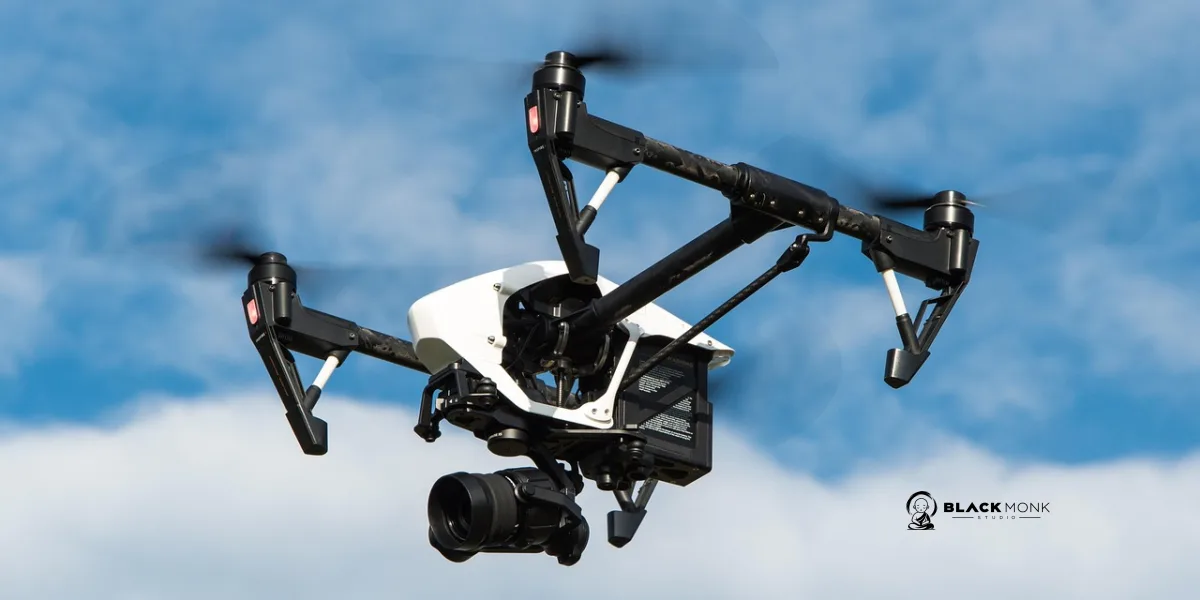
Social Media Marketing For Drone Technology means using social platforms to explain what drones do, prove that they work safely, and bring in buyers who have a real budget and a real problem. Drone companies sell to surveyors, utilities, public agencies and logistics teams, and those buyers check every claim before they reply. Most drone firms post product launches and stop there, so the feed looks busy but generates few conversations. This guide shows you how I approach the channel for drone brands: which platforms to use, what content earns trust, and how to measure whether it reaches the right people. The benefit is a steady stream of qualified enquiries instead of likes from other hobbyists.
Key takeaways
- Pick LinkedIn and YouTube first, because most drone buyers research there before they contact a vendor.
- Show proof: flight logs, field footage with context, regulatory status and named use cases described in general terms.
- Track enquiries and demo requests from social, not only reach and impressions.
What Is Social Media Marketing For Drone Technology?
Social media marketing for a drone company is the planned use of social platforms to reach people who buy, specify or approve drone systems. The goal is not views for their own sake. It is to build trust with a buyer who has never heard of your brand and may need six months to make a decision.
The term drone technology covers many products: hardware such as fixed-wing and multirotor aircraft, sensors and payloads, flight software, and data platforms that turn images into maps or inspection reports. Each product has a different buyer, so your social plan has to match the product you actually sell.
In my work with B2B and industrial brands, I treat social as the place where a buyer checks whether you are real. Someone who considers a drone for pipeline inspection will search your name, look at your posts and read your comments before they fill in a form.
- Hardware makers: focus on specifications, reliability, and training content for operators.
- Data and software providers: focus on outputs, accuracy, and how the data fits existing workflows.
- Service bureaus that fly drones for clients: focus on safety processes, certifications held, and case stories told in general terms.
Which Platforms Work Best for Drone Companies?
For most drone businesses, LinkedIn is the main channel. Procurement managers, engineering leads and operations directors use it for work research, and the feed lets you target by job title, company size and industry through LinkedIn Marketing Solutions. Paid reach there is expensive, so organic posts from founders and engineers often do more than brand pages.
YouTube suits longer explanations: how a flight plan is built, how a sensor is calibrated, or what a survey looks like from start to finish. Buyers can watch these before a sales call, which shortens early conversations. Search on YouTube also reveals how buyers phrase their problems.
Consumer platforms such as Instagram and TikTok can help a brand that sells to hobbyists, training schools or filmmakers. For industrial buyers they usually add little. I would only invest there after the LinkedIn and YouTube basics work.
| Channel | Best for | Typical buyer | Main limit |
|---|---|---|---|
| Enterprise and public sector sales | Operations, engineering, procurement | Organic reach is uneven; paid cost is high | |
| YouTube | Demonstrations and training | Technical evaluators, operators | Needs steady video production |
| Visual brand and hobby audiences | Enthusiasts, trainees | Weak fit for industrial budgets | |
| X or Reddit | Technical discussion and launches | Developers, hobbyist communities | Hard to measure; moderation is strict |
How Do You Build a Content Plan for Drone Brands?
A useful plan starts with the buyer's question, not with your launch calendar. Write down the five questions a buyer asks before they request a quote. Typical questions are whether the drone can fly in their conditions, how the data is delivered, how the team handles airspace rules, and what the total workflow looks like.
Then map each question to a content format. A specification sheet answers one question. A recorded field walkthrough answers several at once. Mix formats so one piece of work feeds posts, a short video, and an email follow-up.
- List the top ten buyer questions from sales calls and support tickets.
- Assign each question to a format: post, carousel, video, or article.
- Plan one main asset per month and cut it into three to five social posts.
- Set a review step with engineering so every claim is checked before publishing.
- Schedule replies and comments, because buyers often ask questions in the thread.
Keep the mix honest. If you only show the best flights, buyers will notice the gap when they see a real demo. Show a setback or a limit now and then; it builds more trust than a polished highlight reel.
What Content Earns Trust With Regulated Buyers?
Drone buyers work in regulated environments. They need to know that your product follows the rules in their country and that your team understands the risks. Content that proves this does more than adjectives about speed or innovation.
Proof that holds up under review
- Named regulatory context, such as the aviation authority that governs your operation, described accurately.
- Flight logs or data samples with the accuracy conditions stated.
- Operator training pathways and the certifications your team holds.
- Clear statements of what the product cannot do.
Case-led stories without invented details
Buyers want stories from similar sites. You can describe a typical situation, such as a utility inspecting power lines after a storm, without naming a client or inventing numbers. Keep the story to the problem, the workflow and the outcome you can verify. If you cannot verify an outcome, do not publish it.
For legal questions about flight permissions, data ownership or advertising claims, speak to a qualified lawyer or a regulator. The FTC advertising and marketing guidance is a useful reference on truthful claims, even though your own market may have different rules.
How Should You Run Paid Social for Drone Products?
Paid social helps when you already have a clear offer, such as a webinar on a specific inspection workflow or a demo for a named sector. Without an offer, boosted posts mostly reach people who are curious but have no budget. The cost depends on audience size, competition and how narrow your targeting is, so I would test with a small budget before scaling.
On LinkedIn, target by job function and company type, and compare that to a list of accounts you already want to reach. Account-based lists can work well, but they require accurate data and consent under privacy law. The European Commission's data protection pages explain the basic principles if you market in Europe.
On Meta platforms, use the Meta Conversions API so that enquiry events reach the platform even when browser tracking is limited. Documentation is in the Meta Conversions API documentation. Set up the events before you spend, otherwise you cannot judge results.
- Start with one offer and one audience per campaign.
- Use a landing page that matches the post, with a short form.
- Review cost per qualified enquiry, not cost per click.
- Pause ads that bring curiosity clicks but no sales conversations.
How Do You Measure Results From Social Media?
Measurement is where most drone brands fail. They report followers and impressions, which tell you little about pipeline. Start by agreeing with sales on what counts as a useful social lead: a demo request, a reply from a qualified company, or a download from a technical guide.
Set up tracking in Google Analytics Help-documented GA4 events for form submissions and key page views, and send lead source data into your CRM. HubSpot's HubSpot Knowledge Base explains how to attribute contacts to social channels. Use UTM parameters on every link so you can see which post or video started the visit.
Metrics that matter for drone marketing
- Qualified enquiries from social, per month, by platform.
- Share of enquiries whose company matches your target list.
- Time from first social touch to first sales call.
- Engagement from job titles you sell to, such as operations and engineering leads.
Review these numbers monthly and change the content mix based on what produces sales conversations. Reach is still useful for brand awareness, but it should not be your main success measure.
What Mistakes Should Drone Companies Avoid?
The most common mistake is writing for other drone enthusiasts. Posts full of model names and flight times impress peers but not procurement teams. Translate each feature into the outcome the buyer cares about, such as fewer site visits or faster survey completion, and state the conditions behind that outcome.
The second mistake is making claims the team cannot back up. Words like 'fully autonomous' or 'safe in any weather' create risk for you and for the buyer. Check every claim against your test data and your operating limits before publishing.
- Posting launches without the workflow context buyers need.
- Running campaigns with no tracking or CRM link.
- Letting one person answer every comment, with no escalation to engineering.
- Ignoring privacy rules when you target lists of named people.
- Showing only perfect flights and no limits.
Finally, do not treat social as a replacement for your website or sales process. It works best as the first touch that sends a qualified buyer to a clear page with a useful next step.
When Does Social Media Marketing Not Fit Your Drone Business?
Social media is not always the right first investment. If your sales depend on long government tenders, your buyers may rely on procurement portals, trade shows and direct referrals. In that case, social can support credibility but will not generate most of your pipeline.
Similarly, if you have no product ready to demonstrate, or if your operations are still in testing and cannot be shown publicly, a social push will create questions you cannot answer. Build your proof first, then start.
A smaller team can also start with one platform and one format. A monthly long-form video, cut into posts and replies, can carry a brand further than a daily feed that nobody maintains. Choose the level of effort your team can sustain for a year.
How Can Search and Social Work Together for Drone Brands?
Buyers search before and after they see your posts. When they search a term like a specific inspection service or a type of aerial data, your website and articles need to answer that question clearly. Social content can point to these pages, and good pages give social posts something to link to.
Use the Google Search Central SEO starter guide to check that your pages are crawlable and clearly titled. Add structured data where it fits, following the Google structured data introduction, though you should only mark up content that is genuinely on the page.
Also watch page speed. Heavy video embeds can slow pages on mobile networks. The web.dev Core Web Vitals guide explains which measures to track. A fast page keeps a social visitor from leaving before they fill in your form.
How Do You Start Social Media Marketing For a Drone Brand?
Begin with a short audit. Review your current posts, your CRM data on where enquiries came from, and the questions your sales team hears most. This tells you where your buyers already are and what they doubt.
Next, choose one main platform and one support platform. For most B2B drone firms this means LinkedIn plus YouTube. Define your three content pillars, such as operator training, workflow proof and regulatory compliance, and publish against them for at least three months before you judge the channel.
- Audit posts, enquiry sources and sales questions.
- Choose one primary and one secondary platform.
- Set three content pillars tied to buyer questions.
- Create one long asset and one set of short cuts each month.
- Connect UTM tracking and CRM fields to every social link.
- Review qualified enquiries monthly and adjust.
Discussions about tactics for technical and B2B brands also happen in communities such as r/sales, where people compare notes on lead generation and follow-up. Use these as sources of ideas, but test everything against your own buyers.
Questions & answers
What is social media marketing for drone technology?
Social media marketing for drone technology is the planned use of platforms like LinkedIn and YouTube to reach buyers who specify, approve or purchase drone systems. The aim is to build trust and generate qualified enquiries. It works best when content answers real buyer questions about workflow, safety, data quality and compliance, rather than focusing on product launches alone.
Which social media platform is best for drone companies?
For most B2B drone companies, LinkedIn is the strongest starting point because it lets you reach operations, engineering and procurement roles. YouTube is the next best choice for longer demonstrations and training. Consumer platforms can help brands that sell to hobbyists, but they usually add little for industrial buyers.
How much does social media marketing for drones cost?
The cost depends on how much content you produce, whether you use paid campaigns, and whether you hire an agency or work in-house. Video production and paid targeting on professional networks usually cost the most. Start with a small test budget and a clear offer, then scale only the activity that produces qualified enquiries.
Can I show drone footage on social media without problems?
Usually yes, but you must check that the footage does not reveal restricted sites, people's faces without consent, or confidential client work. Follow your aviation authority's rules for the country where you fly, and get legal advice if you are unsure. Describe client work only in general terms unless you have written permission.
Do I need a case study to market a drone product?
You do not always need a named case study. You can describe a typical situation, such as an inspection workflow, and explain the steps and the conditions. Buyers value honesty about limits more than polished success stories. Never publish outcomes you cannot verify.
How do I measure whether social media is bringing drone leads?
Track form submissions, demo requests and sales conversations that start from social links, using UTM parameters and CRM lead source fields. Compare these to total enquiries each month. Reach and follower counts show awareness, but qualified enquiries show whether the channel is producing pipeline.
Is social media enough to sell drones to enterprises?
No. Enterprise buyers usually need technical documents, trials, references and sometimes formal tenders before they buy. Social media works best as the first touch that builds trust and sends qualified buyers to a clear page. It supports sales and does not replace them.
How often should a drone company post on LinkedIn?
Post consistently at a pace your team can sustain for a year, often a few times per week, with a mix of technical insight, workflow explanations and team updates. Quality and relevance matter more than volume. Reply to comments promptly, because buyers often judge a company by how it responds.
Social Media Marketing For Drone Technology works when it helps regulated buyers check your claims and take the next step with confidence. Focus on LinkedIn and YouTube, publish proof you can stand behind, and measure qualified enquiries rather than reach. If you want help setting up this plan, see our social media marketing services for B2B and technical brands. For similar work in other fields, you can also read our guide to smart cities marketing.