Social Media Marketing For Fast Food means using social channels to bring hungry people into a store, onto an ordering app or to a drive-through within a short time frame. I have found it works best when each post has one job: a limited-time offer, a nearby store or a reason to reorder. Fast food brands face a hard problem: customers decide in seconds, often on the way to somewhere else, and a brand with hundreds of outlets can look inconsistent from one city to the next. A clear plan fixes this by matching each channel to a buying moment, using local store pages and paid geo-targeting, and measuring orders instead of likes. This guide shows how I would approach it, step by step.
Key takeaways
- Pick one job per post: an offer, a store visit, an app order or a menu launch.
- Run a national brand layer and a local store layer; they need different content and budgets.
- Measure orders, coupon redemptions and store visits, not follower counts.
- Check food safety, allergen and offer terms before any post goes live.
What is Social Media Marketing For Fast Food and who is it for?
Social media marketing for fast food covers the posts, paid ads and community replies a quick service restaurant (QSR) uses to get people to order. The customer is usually a local adult, a parent, a student or a commuter. The search intent behind this topic is mostly commercial: owners and marketing managers want to know what to do, what it costs in effort and what results depend on.
The model differs from a packaged goods brand. A fast food chain sells a meal that is eaten within an hour, so the path from post to purchase is short. A person who sees a burger video at lunch may order before the feed moves on. That means timing, location and offer matter more than long brand stories.
Franchise systems add another layer. The head office may own the brand guidelines, while each franchisee owns a store, a local team and a delivery radius. I usually split the work into two tiers: a brand layer for national campaigns and a store layer for local posts, offers and replies.
Who should not rely on social alone
A single independent outlet with no delivery and no offers may get more from a Google Business Profile and local search than from paid social. Social works best when there is something new to show every week.
Which social channels work best for fast food brands?
Channel choice depends on who orders, what they watch and how they buy. Short vertical video drives discovery, while Meta placements, including Facebook and Instagram, support local offers. TikTok and YouTube Shorts reward food-first creative, and WhatsApp can handle order follow-ups where it is used for customer messages.
| Channel | Best use | Watch out for |
|---|---|---|
| Menu launches, store stories, offers | Image quality and consistent grid | |
| Local store offers and event posts | Older audiences respond to clear deals | |
| TikTok | Short, playful food videos | Trends fade fast; plan a rolling schedule |
| YouTube Shorts | Recipe-style and behind-the-scenes clips | Long clips rarely hold attention on phones |
| Order updates and loyalty messages | Opt-in rules and message limits apply |
I would not start on every platform. Choose two, run them well for a quarter, then decide. The official help centres explain setup and ad rules: see the Meta Business Help Center and WhatsApp Business for current policies.
How do you plan content for a fast food menu?
Start from the menu calendar, not the posting calendar. Each menu launch, price change, limited-time offer and seasonal item becomes a content theme. Build a simple grid with the offer, the store audience, the post format and the call to action.
- List the next 12 weeks of offers and launches from the operations team.
- Assign one format to each: photo, short video, carousel of combos, or store update.
- Write one call to action per post, such as order on the app or visit the nearest store.
- Set a review step with the legal and food safety team before anything goes live.
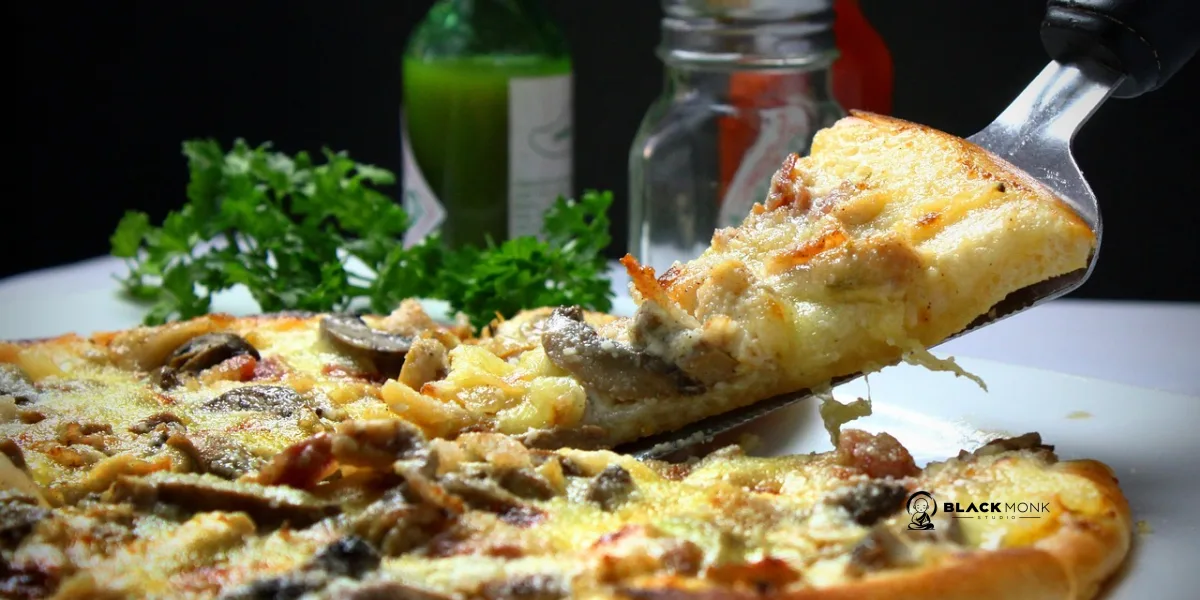
Food photography carries most of the weight. Shoot food within the time the product holds its shape and colour, and avoid edits that show a product the customer cannot get. Misleading food images can break platform and advertising rules, so check the FTC advertising and marketing guidance when you are unsure about claims.
How do local store ads and geo-targeting work?
Local ads are where most fast food results come from. A paid post can target people within a set radius of a store, at the hours when that store is open and likely to be ordered from. The aim is a visit in the next few hours, so the offer must be valid today.
Store-level pages need their own names, addresses, hours and menus. Keep the national brand story separate from store-level posts. If a store runs a local promotion, the message should name the area or the nearby landmark that the audience will recognise.
Common mistakes with local targeting
- Using one radius for every store, even in dense city centres and rural areas.
- Running an offer after the store has run out of stock for that item.
- Sending people to a generic brand page instead of the store or app ordering page.
For the paid side of this work, the Google Ads Help pages cover location settings that many local teams also use for search.
How should fast food brands use influencers and user content?
Creators and customers can make a menu item feel real. The risk is that a creator post looks like a paid advert with no clear disclosure, which can break consumer rules. Every paid or gifted post should carry a clear label, and the brand should keep a record of the agreement.
User-generated content works best when you ask for it in a clear way and ask permission before reposting. Reward the post with a small, honest benefit such as a store feature, not a bribe for a five-star review. Reply to tags and comments within the same day so the feed looks active.
Choose creators who already live near your stores. A local food reviewer with 5,000 engaged local followers may do more for one outlet than a national creator with a far wider audience in another city. I would test a small set first and compare orders from each.
How do you measure results from fast food social campaigns?
Measure what the business sells. For a fast food brand that means app orders, coupon redemptions, store visits from location data where permitted, and sales in the days after a campaign. Likes and views help you judge creative, but they are not the result.
Use a unique code or link for each channel and each store group. Track the order source in your app or point-of-sale reports. For website and app tracking, the Google Analytics Help centre explains how to set up events and conversions in GA4.
- Set a baseline: sales and order volume for the same store in the four weeks before the campaign.
- Run one offer per store group, with a unique code for each channel.
- Compare redemptions and orders against the baseline and against a control store with no campaign.
- Keep the test running long enough to cover a full weekly cycle before you decide.
Results depend on the offer strength, store capacity, local competition, delivery coverage and season. There is no single expected return, so I treat every first campaign as a test.
What compliance and food safety checks apply?
Fast food marketing touches several rules. Nutrition and health claims, allergen information, calorie displays and children's advertising are sensitive. Some markets require calorie labelling on menus, and some restrict advertising to young audiences. This is general information, not legal advice; ask your legal or regulatory team to confirm the rules for each country you run in.
Data rules also apply. If you collect phone numbers or emails for offers, you need consent and a clear purpose. The European Commission data protection pages give a starting point for EU audiences, and local rules may add more requirements.
A simple pre-publish check
- Is the offer valid, and is the stock available at the named stores?
- Does the image match the product a customer will receive?
- Is any health, nutrition or sustainability claim backed by evidence you can show?
How much does social media marketing for fast food cost?
Cost depends on the number of stores, the number of channels, whether you run paid media, how much original content you shoot, and whether a creator is involved. A single store with weekly posts costs far less than a national franchise with paid local campaigns and video production. I would ask for a scope before any number is discussed.
Ask a provider what is included: content calendar, creative production, paid media management, community replies, reporting and store-level setup. A fair quote shows which of these are in and which are extra. Compare the scope, not only the headline fee.
If you want to understand the wider service mix, the social media marketing services page explains how Black Monk Studio plans and runs these channels for brands that sell through stores and apps.
What should a fast food brand do in the first 90 days?
Spend the first month on the basics. Audit the existing accounts, fix store pages, set up tracking and agree the offer calendar with operations. Do not launch paid campaigns until the store pages show correct hours and menus.
In the second month, run one test per channel with a single store group. In the third month, expand what worked and stop what did not. Keep a log of every offer, creative and result so the next campaign starts from evidence.
Practitioners often compare notes on paid and organic social in r/socialmedia, though you should verify any advice against platform rules and your own data. For related reading, see the Social Media Marketing For Food Manufacturing guide, which covers the supply side of food brands.
Questions & answers
What is social media marketing for fast food?
Social media marketing for fast food is the use of social channels to get people to order, visit a store or use an ordering app. It combines organic posts, local paid ads, creator content and community replies. The main goal is a sale within hours or days, so offers, timing and store location matter more than brand awareness alone.
Which social media platform is best for a fast food restaurant?
There is no single best platform. Instagram and Facebook suit local offers and menu launches, while TikTok and YouTube Shorts suit short food videos. I would pick two channels based on where your customers already spend time, run them for a full quarter, then decide whether to add more.
How do I run local ads for one fast food outlet?
Set a small radius around the store, match the ad schedule to opening hours and use an offer that is valid that day. Link to the store's ordering page, not a generic brand page. Track redemptions with a unique code so you can compare the store with a similar store that has no campaign.
Do I need influencers to market a fast food brand on social media?
No, but local creators can help. They work best when they live near your stores and disclose any paid relationship clearly. Start with a small test, compare orders from each creator, and only scale the ones that drive measurable sales.
How do I measure if my fast food social media is working?
Measure orders, coupon redemptions and store sales against a baseline and a control store. Likes and views show creative response, but they do not prove a sale. Use unique codes and order-source tags so each channel can be traced back to revenue.
What rules should fast food brands follow in social media posts?
Fast food brands should check claims about nutrition, health and offers, and make sure food images match the real product. Data collection needs consent. Rules vary by country, so confirm them with your legal or regulatory team; this is general information, not legal advice.
How long does it take to see results from social media for a fast food chain?
Results depend on the offer, store capacity, competition, season and how many stores you test. Most brands need several weeks of consistent testing before a pattern is clear. Set your expectations around a baseline and a test period rather than a fixed date.
Should a franchise let each store run its own social media?
Franchisees can post about local events and offers, but the head office should set brand rules, approved assets and a review step. A shared content calendar with store-level slots gives local teams freedom while protecting the brand and the legal checks.
Social Media Marketing For Fast Food works when each post has one clear job, each store has its own local plan and every campaign is measured by orders rather than likes. Start with two channels, a clean offer calendar and one test store group. Build from the results you see, not from assumptions. If you want help setting up the plan, the social media marketing service page at Black Monk Studio explains how the work is scoped and run.