Social Media Marketing For Wholesale means using social platforms to find, educate and keep trade buyers such as retailers, distributors and importers who purchase in bulk. The problem is that wholesale buyers rarely buy from an advertisement; they check your range, your reliability and your responsiveness before they ask for a quote. Done well, social media shortens that check. It gives buyers proof that your business is real, that your products are in stock and that someone answers messages within a working day. In this guide I explain which channels to use, what to post, how to measure results and where the approach does not work.
Key takeaways
- Choose channels by where your buyers make decisions: LinkedIn for procurement, WhatsApp for follow-up, Instagram and YouTube for retailer product discovery.
- Post product proof, not just brand news: specifications, packing, available stock, lead times and minimum order quantities.
- Track enquiries and quote requests from social, not likes. Tag every lead source in your CRM so you know which channel pays back.
What Social Media Marketing For Wholesale actually involves
Social Media Marketing For Wholesale is the practice of publishing and advertising on social platforms so that trade buyers discover your products, trust your business and send enquiries. A wholesaler sells to other businesses, not to shoppers. That changes the goal: you are not trying to get a quick sale from a post. You are trying to get onto a buyer's shortlist that may be used over months.
In practice the work has three parts. First, buyer discovery, where you appear in feeds that retailers and distributors use to find suppliers. Second, trust building, where your posts show real warehouses, packing, staff and shipments. Third, lead handover, where a social enquiry reaches a sales person quickly and is logged properly.
Social is rarely the only channel. Most wholesale orders still close through email, phone, trade fairs or a marketplace. I treat social as the top and middle of the funnel: it creates awareness and early credibility, and the close happens in a sales conversation.
Who the buyers are
- Independent retailers who buy by the case and want fast restocking.
- Chain buyers and category managers who review supplier profiles before a meeting.
- Distributors and importers who look for new brands for their regional network.
- Corporate buyers for gifting, hospitality or office supplies.
Each group uses social differently. A corner shop owner may message you on WhatsApp after seeing a product video. A category manager will check your LinkedIn page and company history before replying to a cold message.
Choosing channels for trade buyers
Pick channels by where your specific buyers spend time and make decisions. Do not copy a consumer brand's calendar. A wholesaler with ten product lines and five buyers a month needs fewer channels done properly than a fashion label posting daily.
| Channel | Best use for wholesale | Main limitation |
|---|---|---|
| Reaching buyers, procurement staff and distributors; company updates and case-style posts | Lower visual appeal; organic reach depends on consistent posting | |
| Showing product detail, packing and new arrivals to retailers who browse for ideas | Enquiries can be vague; many followers are consumers, not buyers | |
| WhatsApp Business | Catalogues, price-list sharing and fast follow-up with existing leads | Not a public channel; it supports sales rather than discovery |
| YouTube | Factory tours, product demos and how-to videos that buyers can share internally | Takes time to produce; slower payback |
| Local trade groups, regional distributors and community reach in some markets | Audience is mixed; check that your buyers are active there |
For most B2B wholesalers I suggest starting with two channels. LinkedIn covers the decision makers. WhatsApp Business covers follow-up and catalogue sharing. Add Instagram or YouTube once you have a steady stream of visual content.
This choice does not apply to every product. If you sell through a national marketplace only, your priority may be listing quality on that marketplace, not social.
What to post so buyers trust you
Wholesale buyers look for information they can use in a purchasing decision. Generic brand posts with inspirational quotes do little for them. The most useful content answers the questions a buyer asks before they request a price list.
- Product sheets as images or carousels: dimensions, materials, pack sizes and units per case.
- Stock and lead-time updates: which lines are in stock this week and when the next shipment arrives.
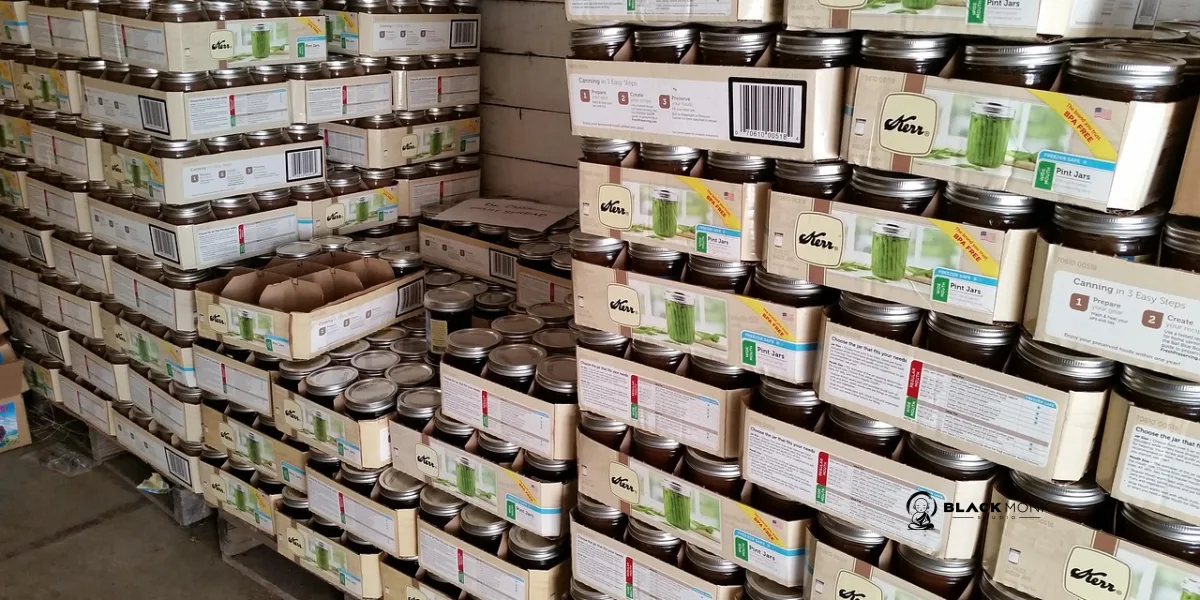
- Packing and shipping proof: how goods are palletised, labelled and protected for transit.
- Minimum order quantities and tiered pricing logic, stated clearly and without exact prices if those change often.
- Customer-facing proof that you can share, such as a retailer's shop display, with written permission.
- Trade show recaps and new range launches that give buyers a reason to contact you now.
Keep each post focused on one buyer question. A carousel that explains your case sizes is more useful than a post that tries to cover your whole company.
Be careful with claims. If you state product safety, origin, certification or compliance, check the facts and the rules that apply in each market before you publish. For regulated chemicals in Europe, for example, the rules under REACH are detailed; see the ECHA guidance on REACH and ask a qualified adviser when in doubt.
How to turn social engagement into wholesale enquiries
A like or a share is not a sale. The real work begins when a buyer sends a message. Your process should make it easy for that person to get a price list, a sample or a call, and it should make sure someone responds quickly.
A simple lead handover process
- Add a clear call to action to every product post: request the trade price list, book a call or message on WhatsApp.
- Set a response target that your team can meet, and tell buyers what it is on your profile.
- Record the source of every enquiry in your CRM, including the platform and post.
- Qualify the lead: business type, region, monthly volume and product interest.
- Send a catalogue or sample offer within the same working day, then follow up on a fixed schedule.
Many wholesalers lose buyers in the handover, not on social. A strong post that gets a message answered three days later usually fails. Agree on who owns social enquiries before you launch any campaign.
For paid social, a retailer or distributor may need several touches before a first order. If you run ads, measure qualified leads, not cheap clicks. The Meta Business Help Center explains how lead forms and conversion tracking work on Facebook and Instagram.
Measuring results for wholesale social media
Wholesale results are slow and lumpy. One large distributor can be worth more than a thousand followers. So the metrics need to reflect the sales pipeline, not vanity counts.
- Qualified enquiries per month from each channel, with the buyer type recorded.
- Quote requests and sample requests that came from a social touch point.
- Average time from first enquiry to first reply.
- Share of new accounts that place a repeat order within the period you define.
- Profile visits from target companies, such as retailers you have listed, as a leading signal.
Set up tracking before you spend on promotion. Use UTM parameters on links you share, and read the reports in Google Analytics. The Google Analytics Help pages explain how to set up campaign tracking and conversion events.
Review results every quarter. Wholesale cycles can run for months, so judge a channel on several quarters of data, not on the first few weeks.
Common mistakes wholesalers make on social
The same errors appear across many wholesale businesses. They are easy to fix once you name them.
- Posting only brand news and awards, with no product detail or stock information.
- Hiding prices and minimum order quantities so completely that buyers do not know whether to bother.
- Running a consumer-style giveaway that brings in followers who will never buy in bulk.
- Letting enquiries sit in a personal inbox with no owner or response target.
- Ignoring the internal sales team, so the messages that social generates are not used in meetings.
- Buying followers or engagement, which damages trust with buyers who check profiles carefully.
Another mistake is treating social as a standalone project. It works better when your product pages, price-list downloads and sales scripts match what you post.
If your product pages are slow or hard to use on a phone, buyers who arrive from social will leave. The Google guidance on Core Web Vitals is a practical place to check page speed.
A 90-day plan for a wholesale social programme
A plan keeps the work realistic. Below is a structure I would use for a mid-sized wholesaler with one or two sales people. Adjust the volume to your capacity; posting often but badly does not help.
Days 1 to 30: foundations
- Audit your company page, profile text and product links for accuracy.
- Define the buyer types you want and the markets you serve.
- Set up WhatsApp Business with a catalogue and quick replies.
- Agree response targets and assign an owner for social enquiries.
- Build a library of product images, packing photos and short videos.
Days 31 to 60: publishing rhythm
Post on your chosen channels at a steady pace you can keep for three months, such as two or three useful posts a week on LinkedIn and a weekly product carousel on Instagram. Track enquiries by source from the first post.
Days 61 to 90: review and adjust
Compare enquiry quality by channel. Keep the formats that bring buyers who reply and place trial orders. Drop the ones that only attract attention. Then decide whether to add paid promotion for your best-performing posts.
For a practical reference on how B2B social is shaped, the LinkedIn Marketing Solutions site describes its targeting and lead tools, which many wholesalers use for buyer outreach.
When social media marketing is not the right priority
Social is not the answer to every wholesale problem. If your pricing is uncompetitive, your delivery is unreliable or your product range is hard to order, more posts will not fix the sale. Solve those basics first.
It is also less useful when your buyers come almost entirely from long-term contracts, trade fairs or a single distributor. In that case, invest in account management and your sales materials, and use social mainly to support existing relationships.
Finally, if you sell into a regulated category or make product claims that need legal review, involve a qualified professional before publishing. This article is practical marketing guidance, not legal or regulatory advice.
Ask yourself three questions before committing budget: do my buyers use these platforms, can my team answer enquiries quickly, and do I have product information worth showing? If the answer to any is no, fix that first.
Questions & answers
What is Social Media Marketing For Wholesale?
Social Media Marketing For Wholesale is the use of social platforms to help trade buyers such as retailers, distributors and importers find your products, trust your business and send bulk enquiries. Unlike consumer marketing, it focuses on product detail, stock information, minimum order quantities and fast sales follow-up. Most wholesalers use it for awareness and early credibility, then close deals through sales conversations.
Which social media platform is best for wholesale buyers?
LinkedIn is usually the best starting point for reaching procurement staff, category managers and distributors. WhatsApp Business supports follow-up and catalogue sharing once a buyer has made contact. Instagram and YouTube help retailers discover products visually. The right mix depends on where your specific buyers make decisions, so test two channels before adding more.
How much should a wholesaler spend on social media marketing?
Cost depends on your team's time, the number of channels, whether you create video, and whether you run paid promotion. Start by budgeting for content creation and a named person to answer enquiries. Add paid spend only after you know which posts bring qualified buyers. A reliable quote needs a short audit of your current assets and goals.
Do I need to show prices on social media for wholesale?
Not always. Many wholesalers show minimum order quantities, pack sizes and tiered pricing logic, but keep exact trade prices in a price list shared on request. This protects you when prices change often and still gives buyers enough information to decide whether to enquire. If your prices are stable and public, showing them can reduce unqualified messages.
How long does it take to get wholesale orders from social media?
Wholesale cycles often run for weeks or months, because buyers compare suppliers, request samples and check stock before ordering. Expect social to build awareness and early enquiries first. Judge results over several quarters, using enquiry quality and repeat orders rather than the number of followers or likes.
What content works best for wholesale social media?
Product sheets, stock and lead-time updates, packing and shipping photos, and short factory or warehouse videos tend to work best. These posts answer questions buyers already ask before they request a price list. Generic brand posts and giveaways usually bring followers who never place bulk orders.
How do I track which social posts bring wholesale leads?
Tag every enquiry with its source in your CRM, add UTM parameters to links you share, and record the platform and post when a buyer makes contact. Then compare qualified leads and quote requests by channel each quarter. Google Analytics helps with website traffic, but your sales records show which channel actually creates revenue.
Is social media marketing enough on its own for a wholesaler?
No. Social media supports the sales process; it rarely closes large wholesale orders by itself. You also need accurate product pages, a clear trade price list, fast responses, reliable delivery and a sales team that follows up. Use social to create trust and early contact, then move the buyer into email, calls or meetings.
Social Media Marketing For Wholesale works best when it answers the questions buyers ask before they request a price list. Start with one or two channels where your decision makers spend time, publish product and stock proof, and make sure every enquiry gets a fast, owned response. Measure qualified leads and repeat orders rather than follower counts. If you want help setting up a wholesale social programme with clear tracking, see our social media marketing services or get in touch to talk through your buyers and channels.