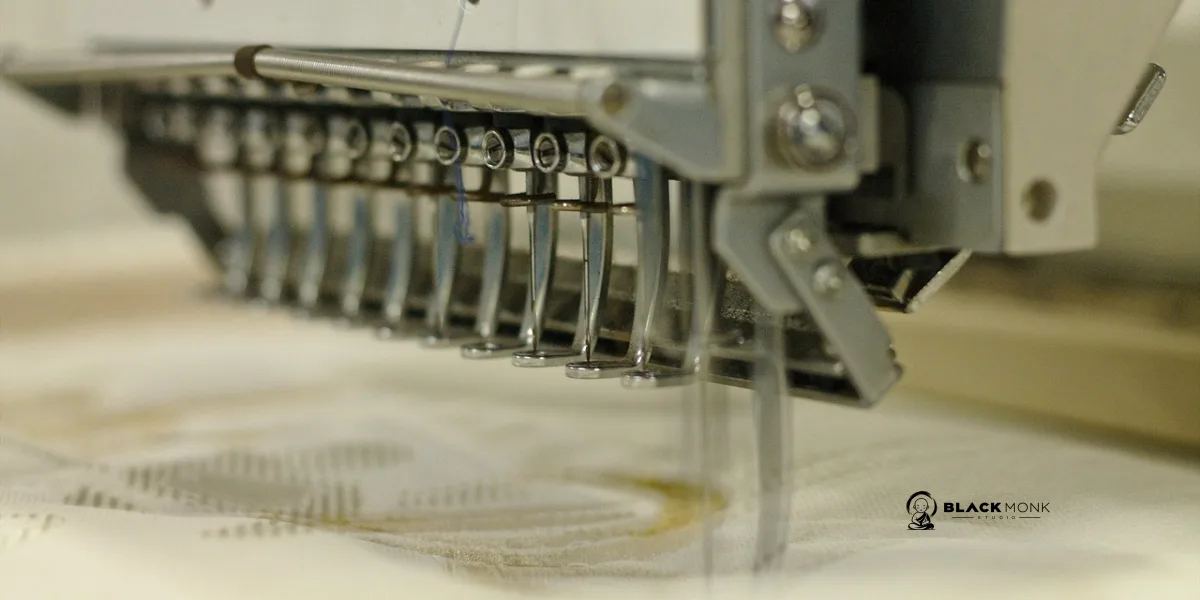
Content Marketing For Garment Manufacturing means publishing useful, factual material that helps apparel brands, sourcing teams and retailers judge whether your factory can make their products. Most garment makers depend on referrals and trade fairs, so a good content plan can bring qualified enquiries when those channels slow down. In this guide, I explain what to publish, how to plan it around the buying cycle and where the approach does not work. The goal is simple: when a buyer searches for a reliable supplier, your factory should already have answered their questions in writing.
Key takeaways
- Write for the sourcing team first: minimum order quantity, lead time, capacity and compliance questions come before price.
- Turn factory floor knowledge into articles, process pages and short videos that show how orders are actually made.
- Measure enquiry quality, not page views, and link every article to a clear next step such as a sample request.
What does Content Marketing For Garment Manufacturing actually cover?
In practice, content marketing for a garment factory means publishing material that answers the questions a brand asks before it sends a tech pack. That includes articles on fabric choice, sampling timelines, quality checks and how a factory handles small test runs. It is not the same as advertising, because the reader is researching a supplier rather than buying a shirt.
The buyers are usually product developers, sourcing managers, merchandisers and, in larger brands, compliance officers. Each of them searches differently. A merchandiser may look for how to reduce lead time on knitwear, while a compliance officer may search for how a supplier documents its audits. Your content should match these real questions.
Content marketing works alongside other channels rather than replacing them. Search brings in people who are already looking, trade fairs create the first contact, and articles give those contacts something to read before the second call. For a wider view of how the method is applied in other B2B fields, see my guide on content marketing for digital transformation.
Be honest about what this does not do. A blog will not fix poor quality, missed deliveries or weak pricing. Content only makes a good factory easier to find and easier to trust.
Who is the buyer and what do they need to know?
Before writing anything, map the people who decide to place an order. In apparel, the sourcing team often shortlists factories, while the product team checks samples and the finance team reviews payment terms. Each group wants different proof, so one article rarely serves all of them.
- Product developers: fabric options, sampling steps, fit and washing tests.
- Sourcing managers: minimum order quantity, lead time, capacity planning and ability to scale.
- Compliance teams: audit reports, social and environmental documentation, and chemical management practices.
- Finance teams: payment terms, currency handling and how changes to a order affect cost.
Ask your sales team which questions came up in the last ten enquiries. Those questions are your first content list. They are more valuable than any keyword tool because they reflect real buyers in your specific niche.
Which content formats work best for a factory?
Factories have an advantage that most B2B fields lack: they can show the work. Photos and short videos of cutting, stitching and finishing prove capability in a way that a brochure does not. Pair these with written explanations so search engines and readers both understand what they see.
| Format | Best used for | Main limitation |
|---|---|---|
| Process article | Explaining sampling, cutting or finishing steps | Needs regular updates when methods change |
| Capability page | Showing product types, fabrics and order sizes | Can read like a sales brochure if not specific |
| Short video | Showing machines, workers and quality checks | Costs time to film and needs clean editing |
| Buyer FAQ | Answering lead time, MOQ and payment questions | Only useful if answers are accurate and current |
| Case summary | Describing a typical project in general terms | Must avoid naming clients without permission |
Start with two or three formats that your team can keep up. A small number of accurate, well-maintained pages beats a large library that no one updates.
How do you plan topics around the sourcing cycle?
A sourcing decision moves through research, shortlisting, sampling and contracting. Content should follow that path. Early articles help a buyer understand options, middle articles compare approaches, and late pages help them decide and start an order.
- Research stage: explain the options, such as woven versus knit production or private label versus white label.
- Shortlist stage: publish capability pages that state order ranges, fabrics and certifications you hold.
- Sampling stage: document your sampling timeline, what a development sample includes and what it costs in general terms.
- Decision stage: provide an onboarding guide, payment process and a clear way to request a quote.
Each article should have one main question and one next step. For example, a sampling article can invite the reader to send a tech pack. Do not promise results that depend on the buyer's own design and volume.
How should you write for search and for the sourcing team?
Search matters because many buyers start with a phrase such as garment manufacturing lead time or how to choose an apparel supplier. Use plain headings that match these questions and answer them in the first two sentences of each section. This pattern also helps AI assistants and featured snippets pick up your answer.
For the technical side of search, Google's guidance on helpful content is a useful checklist. It asks whether a page serves the reader's goal before it serves search rankings. If your factory page only lists machines, it will rarely satisfy a buyer.
Write for the sourcing team in plain English. Explain every term you use, such as sampling rounds or first-article inspection, the first time it appears. Avoid claims you cannot prove, and never invent numbers or certifications.
For a closer look at search work specific to factories, read SEO for garment manufacturing. That post covers the on-page and technical side, while this one focuses on the content itself.
What proof should a garment factory publish?
Buyers in apparel want evidence before they trust a supplier. The proof you can publish depends on your certifications, audit history and client permissions. Only publish what you can back up with documents.
Certifications and standards
If your factory holds a management system certificate, describe it accurately. For example, ISO 9001 is a quality management standard, and it is useful to explain what your certificate covers and what it does not. Do not imply certifications you do not hold.
Chemical and product compliance
Buyers who sell into Europe often ask about chemical rules. The EU regulation known as REACH is explained by the European Chemicals Agency. I am not a legal adviser, so describe your own processes and direct compliance questions to a qualified professional.
Show process evidence too, such as photos of inspection stations, a description of how samples are approved, and how you record changes. Specific detail builds more trust than broad claims.
How do you distribute garment content beyond your website?
Publishing is only half the work. Sourcing teams rarely find a factory blog by accident, so you need distribution. Share articles through your sales emails, trade show follow-ups and company LinkedIn page. Brief your team to send the right article after each enquiry, which often works better than a broad newsletter.
Business owners often ask whether LinkedIn is worth the time. For many B2B factories, it is where buyers and merchandising managers share industry news, so a steady stream of practical posts can help. Practitioners compare notes in r/manufacturing, which is useful for understanding how people in production think about suppliers, though you should not treat forum posts as a sales channel.
Reuse each article in short forms. A sampling article can become a three-slide carousel, a short video script or a checklist for your sales team to send.
How do you measure whether the content is working?
Page views tell you little about a factory. Measure what a buyer does after reading. Track enquiries, quote requests, sample requests and the number of replies from target brands. Use Google Analytics to see which articles lead visitors to your contact page. The Google Analytics Help centre explains how to set up conversion events.
- Tag every enquiry form and sample request as a conversion.
- Ask sales staff to record which article, if any, the buyer mentioned.
- Review quality monthly: did the enquiry match your minimum order quantity and product range?
- Update old articles when processes, lead times or certificates change.
Results depend on your order size, product range, existing relationships and how quickly your team replies. A factory with a slow response time will lose buyers even with excellent articles. Set realistic expectations and review them each quarter.
When is content marketing the wrong choice for a garment factory?
Content marketing is not the right first move for every factory. If you have no capacity to answer enquiries, or if your product range changes every month, a blog will go out of date quickly. Fix those basics first, such as response process, pricing structure and a clear capability list.
It is also weaker when your business depends on a few large contracts signed through personal relationships. In that case, a small set of accurate capability pages and a strong sales process may give better returns than a long editorial calendar.
If you sell mainly to consumers through your own label, the approach changes. Read our e-commerce marketing approach for how product content works for direct sales.
Common mistakes to avoid
- Writing generic articles about fashion trends instead of your own production capability.
- Publishing claims about speed, quality or price without documents or process detail.
- Naming clients or showing their designs without written permission.
- Using a single long article for every buyer type instead of separate pages for sampling, compliance and capacity.
- Letting pages go stale when lead times or certificates change.
Each mistake costs trust. Buyers compare suppliers closely, and one inaccurate page can end a shortlist.
Questions & answers
What is Content Marketing For Garment Manufacturing?
Content Marketing For Garment Manufacturing is the practice of publishing accurate articles, capability pages and videos that help apparel brands judge a factory before they enquire. It focuses on questions like lead time, minimum order quantity, sampling and compliance. The goal is to bring in buyers who already fit your product range.
How much does content marketing for a garment factory cost?
How much does content marketing for a garment factory cost?
Cost depends on how many articles you publish, whether you film videos, and whether you hire a writer or an agency. Most of the cost is staff time to check facts and answer enquiries. Ask any provider for a written scope so you can compare what is included.
Do I need a blog to do content marketing as a garment manufacturer?
No, a blog is only one option. Many factories start with a few capability pages, a buyer FAQ and short process videos. A blog helps when you can publish steadily and keep articles accurate over time.
What is the best way to choose topics for garment manufacturing content?
Start with the questions your sales team hears most often. Group them by stage: research, shortlisting, sampling and decision. Then write one article per question, with one clear next step for the reader.
Can content marketing help a small garment factory compete with larger ones?
It can help a small factory show its specialist strengths, such as short runs or a particular fabric. It will not replace price competitiveness or delivery performance. Be specific about what you do well and honest about what you do not.
Is it safe to show client names or designs in case studies?
Only publish client names or designs with written permission. Without it, describe a typical project in general terms, such as the fabric type and order size range. Confidentiality agreements may restrict what you can say, so check them first.
How long does it take to see enquiries from content?
It depends on your sector, competition and how often you publish. Sourcing cycles can be long, so enquiries may come months after a buyer first reads an article. Track which pages buyers mention to see the link over time.
Which Reddit community is useful for learning about manufacturing marketing?
The r/manufacturing community on Reddit is useful for hearing how production people talk about suppliers and problems. Use it to understand real concerns, not as a place to promote your factory.
Content Marketing For Garment Manufacturing works best when it answers the questions sourcing teams already ask: lead time, minimum order quantity, sampling, compliance and capacity. Start with two or three accurate formats, plan them around the buying cycle and measure enquiry quality rather than traffic. If you want help turning your production knowledge into a clear content plan, see our content marketing services and tell us about your product range and buyers.