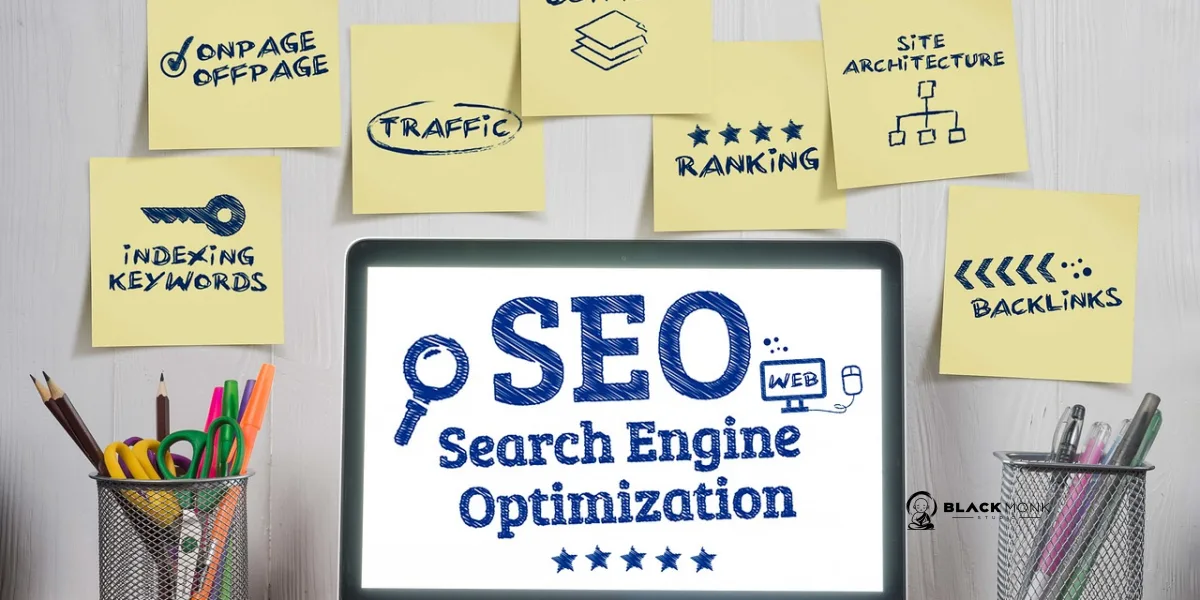
Content Marketing For Skill Development means publishing useful, searchable material that helps people decide which skill to learn and then enrol in a course. I use it with training providers because a learner often spends weeks comparing options before paying a fee. The problem is that many institutes spend heavily on ads and still lose enquiries to competitors who answer questions better. Done well, content builds trust before the first call, lowers the cost of each enquiry over time, and gives every course page a reason to be found. This guide explains how I plan it, what to publish and how to measure whether it works.
Key takeaways
- Start from the questions learners type before they enrol, such as which certification is worth it or how long a course takes.
- Pair every article with one clear next step, such as a course page, a free class or a counselling booking.
- Track enquiries and enrolments from content pages, not only page views, and review them every quarter.
What Content Marketing For Skill Development Actually Means
In my work, skill development content marketing is the practice of publishing material that helps a learner solve a career problem, with the training provider's course as a natural next step. It is not a brochure. A good piece explains a skill, a job route or a tool, and only then shows how a course fits in.
The buyer is often two people: the learner, who is usually young or switching careers, and a parent or employer who pays. Each reads differently. The learner wants to know if the skill is worth the time. The payer wants proof of outcomes and a fair fee structure.
Content marketing works best when it sits alongside paid search and social campaigns. Ads capture demand that already exists. Articles, guides and videos create demand from people who have not yet decided what to study, and they keep working after an ad budget stops.
- Explains a skill or career route in plain language
- Answers a real question a learner would type into a search engine
- Links to a course, enquiry form or free session
- Is updated when course details, tools or job requirements change
How Learners Search Before They Enrol
Most learners move through three stages. First they search broadly, for example how to become a data analyst. Then they compare options, such as the best online course for Excel or a certificate versus a diploma. Finally they look for proof, such as course syllabus, schedule, fees and whether a provider is recognised.
Each stage needs different content. Broad guides attract people early. Comparison pages and honest course reviews win the middle stage. Syllabus pages, FAQs about batches, and counselling pages help people who are ready to choose.
Mapping intent to content types
| Learner stage | Typical question | Content that fits |
|---|---|---|
| Exploring | What jobs use this skill? | Career guide, role overview |
| Comparing | Which course suits a beginner? | Comparison article, curriculum breakdown |
| Deciding | Is this provider worth the fee? | Outcomes page, FAQs, learner stories with consent |
I check search intent before I write anything. If the top results are guides, a guide will rank better than a sales page. If they are course listings, a comparison or a clear course page is the better format.
Choosing Topics That Match Real Enquiries
The fastest way to find topics is to read the questions your team already hears. Enquiry emails, WhatsApp messages, call notes and counsellor feedback show what learners worry about. I collect these for two weeks and group them by theme.
- List every question asked in calls and messages during the last month.
- Group them into exploring, comparing and deciding questions.
- Check search volume and competition with a keyword tool such as the Semrush blog or Ahrefs blog for method ideas.
- Pick topics where you have a real course, instructor or outcome to show.
Topics that carry a clear course link are worth more than broad trends. A guide to a career path that your course directly trains for will bring fewer visits but more enquiries than a general article about the future of work.
Avoid topics you cannot back up. If you do not have graduates in a role, do not write as if you do. Stick to what you can explain and verify.
Formats That Work For Training Providers
No single format wins for every course. A short course on spreadsheets may suit a checklist and a 10-minute video. A longer professional certificate may need a detailed guide, a syllabus table and a recorded session. I plan formats around how much time and money the learner must commit.
Articles and guides
Long guides suit people who search before they commit. They should cover the skill, the job route, the typical tools learned, and how a learner can test whether the course fits. Keep each section focused on one question.
Short video and free sessions
Video helps learners see the teacher and the classroom. A two-minute preview of a lesson often does more than a page of claims. Upload these to YouTube and embed them on the matching course page.
Useful formats include downloadable checklists, free mini-classes, worked examples and comparison tables. Each one gives a reason to leave an email or book a call.
Building the Learner Journey From Article to Enrolment
A visitor who reads an article should see one clear next step. I avoid pages with five competing buttons. Instead, the article links to one relevant course page, and that page offers one action, such as booking a counselling call or joining a free class.
Trust signals matter more in education than in most industries. Show the syllabus, the schedule, the instructor background you can verify, and the refund and transfer policy in plain words. If a claim depends on accreditation or a government-recognised qualification, state the awarding body and check the details with that body.
- One primary call to action per article
- Course page linked from the first third of the article
- Counselling form placed after the FAQ, not before
- Clear fee and batch information, with a note that details change
For paid traffic, send ad clicks to the best matching article or course page, not only to the home page. This keeps the message consistent and makes it easier to see which content leads to enquiries.
Measuring Whether Content Brings Enrolments
Traffic alone does not show success. I track four things: organic visits to course-related pages, enquiries that began on a content page, call or booking rates, and enrolments that can be traced back to content. Google Analytics Help explains how to set up conversion events and channel reports.
Attribution is rarely perfect. Learners may read three articles across a month, then enrol after a WhatsApp message. Ask a simple question on the enquiry form, such as where you first heard about us, and record the answer in your CRM.
A simple monthly review
- Export organic landing pages and sort by enquiries, not sessions.
- Note which articles lead to course page visits.
- Update weak articles with better examples, FAQs or a clearer next step.
- Retire pages that attract visitors who never match your course.
Be patient. Content often needs several months to rank and gather trust. Judge a piece after it has been live long enough for search engines to index it and for learners to compare options.
Common Mistakes Skill Providers Make
The most common mistake is writing for the institute rather than the learner. Pages full of praise for the founder or the campus do not answer the question a learner typed. Start with the learner's problem and let the course appear as a solution.
The second mistake is publishing outcome claims without evidence. Words such as guaranteed job or top placement can create legal and reputational risk. Use careful wording, such as what graduates are trained to do, and check advertising claims against the FTC's advertising and marketing guidance if you serve US audiences, or the relevant local rules where you operate.
- Promising job placement without written, verifiable data
- Hiding fees or batch dates until the last step
- Publishing one long article and never updating it
- Copying course descriptions from other providers
Finally, do not expect content to replace a sales process. It shortens the path. Counsellors still need to answer questions fast and follow up on enquiries.
When Content Marketing Is Not the Right Choice
Content marketing is not always the first move. If your course starts in two weeks and seats must fill now, paid search or social ads will likely bring faster results. Content usually pays off over months, not days.
It also suits providers with a clear, stable course catalogue. If you change your syllabus every term or have no reliable outcomes to show, spend time first on the product and the learner experience. Good content cannot fix a weak offer.
Regulated qualifications need care. If your programme must meet a national standard or accreditation rule, confirm wording with the awarding body or a qualified advisor before publishing. I can help with the marketing side, but not with accreditation decisions.
Questions & answers
What is Content Marketing For Skill Development?
Content Marketing For Skill Development is the practice of publishing useful articles, guides and videos that help people choose a skill and then consider a training course. The content answers real questions, such as which skill suits a career goal. A course is presented as a natural next step, not as the only topic of the page.
How long does it take for skill training content to bring enquiries?
There is no fixed timeline, because it depends on how competitive your topics are, how often you publish and how well your course pages convert visitors. Many providers need several months before articles rank and enquiries begin to arrive consistently. Judge results over a full review cycle rather than after a few weeks.
Do I need a blog if I already run ads for my courses?
A blog is not strictly required, but it gives paid campaigns better landing pages and gives search engines more material to index. Ads capture people who already want a course. Helpful articles reach learners who are still deciding which skill to learn, and they keep working after the ad budget stops.
What topics should a training institute write about first?
Start with the questions your counsellors hear every week in calls, emails and messages. Group them into exploring, comparing and deciding questions. Choose topics where you have a real course, a syllabus and an outcome you can explain, and avoid topics you cannot support with evidence.
Can I make claims about guaranteed job placement in my content?
Be very careful. Guaranteed placement claims can mislead learners and create legal and reputational risk. Only publish outcome figures you can verify, describe them accurately, and check local advertising rules. For legal wording, speak with a qualified advisor in your country before you publish.
Which tools help measure whether content brings students?
Google Analytics shows which articles bring visitors and how they move to course pages. Set up conversion events for enquiries and bookings. Your CRM should record where each enquiry started. Google Search Console shows which search queries bring impressions, helping you refine topics and titles.
How often should I update old skill course articles?
Review important articles at least every three to six months, and update them whenever syllabus, fees, tools or job requirements change. Remove outdated claims quickly. Refreshing a strong article often helps more than publishing a new one on a weak topic.
Is video better than written articles for skill development?
Neither is better for every learner. Video shows the teacher and classroom, which helps people who want to see the style of instruction. Written guides are easier to scan and search. Many providers use both, with a video preview embedded in a course guide.
Content Marketing For Skill Development works when it answers the questions learners ask before they pay, and when each article leads to one clear next step. Start with the enquiries your team already receives, match each topic to a real course, and measure enrolments rather than page views. Be honest about outcomes and check any regulated claims with a qualified advisor. If you want help planning this for your institute, see our content marketing services or our education marketing page.