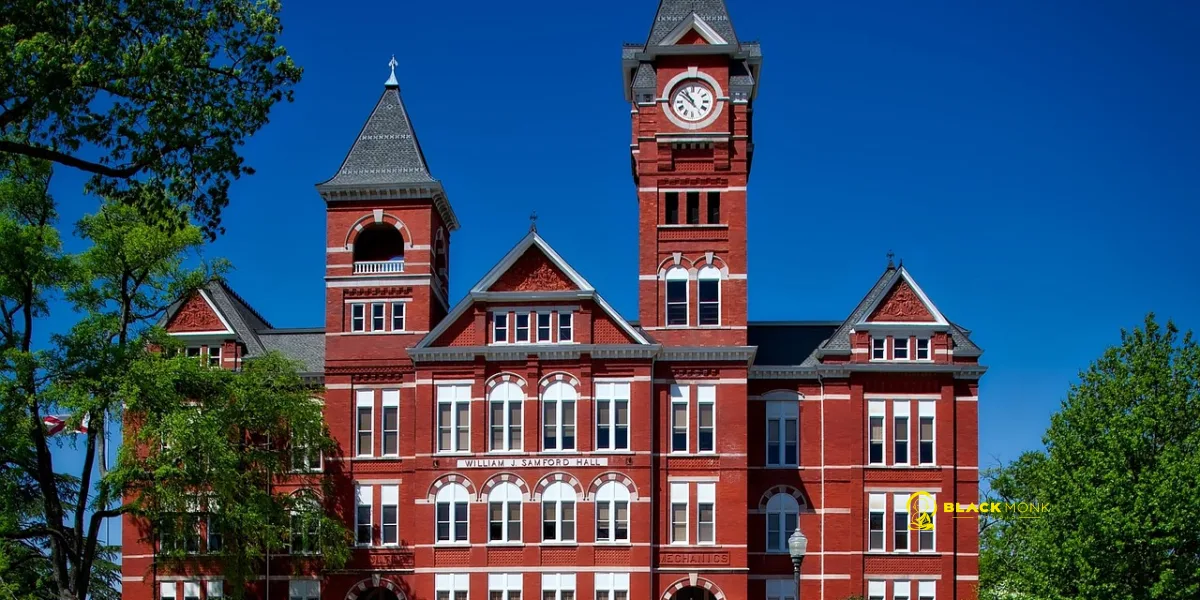
Content Marketing For Universities means publishing useful, searchable material that answers the questions prospective students and parents ask before they apply. Done well, it brings qualified enquiries to course pages and admissions forms without relying only on paid advertising. The problem is that many universities publish brochures and news releases that nobody searches for. In this guide I explain how I approach the work, what to plan first, which formats earn attention, and how to measure whether the content helps recruitment.
Key takeaways
- Start from the questions applicants type into search, not from the internal news calendar.
- Map each article to one stage of the student journey and link it to a course page or enquiry form.
- Measure enquiries and applications from content, not only page views.
What Content Marketing For Universities Actually Covers
Content Marketing For Universities is the practice of creating and publishing helpful material that a prospective student can find, read and act on. In plain terms, it is the set of articles, guides, videos and tools that answer questions before someone decides where to study. It sits alongside paid campaigns and open days, not in place of them.
The work covers more than a blog. A typical programme includes course explainers, career outcome pages, comparison guides for entry routes, scholarship and fee explainers, and student stories told with permission. Each piece has one job: to move a reader closer to an enquiry or an application.
It does not apply to every department in the same way. A small specialist institute with a clear niche may need a handful of strong guides. A large multi-faculty university needs a structured library, with governance over facts such as fees, deadlines and accreditation, which must always be checked against official sources.
- Course and programme explainers written for a named audience
- Entry route guides for international, mature and transfer applicants
- Career and graduate outcome summaries backed by official data
- Video tours, lecture snippets and student-led question answers
Start With the Student Journey and Search Intent
Before writing anything, I map the student journey. Most applicants move through four stages: discovering options, comparing courses, checking eligibility and cost, and deciding. Each stage uses different search terms, and each needs a different kind of page.
Search intent is the reason behind a query. A search such as "best MBA in Germany" is comparison research, so the page should help the reader compare. A search such as "how to apply for a master's degree" is informational, so the page should teach the process step by step. Matching the page type to the intent is what makes content rank and convert.
- List the questions your admissions team hears every week by phone, email and at open days.
- Check which of those questions people already search for, using keyword tools and the search console for your own site.
- Assign each question to a journey stage and to an existing course page as its natural next step.
- Decide which questions need a new page and which need an update to an old one.
This approach is less glamorous than choosing topics from the marketing calendar. It also avoids the common mistake of publishing ten news posts about graduation ceremonies that nobody will search for in the next year.
How to Build a Content Plan for Admissions
A content plan turns the journey map into a schedule. I keep it in a simple spreadsheet with columns for topic, search query, journey stage, target course page, owner, source of facts, and review date. The plan should be small enough to finish and specific enough to measure.
Ownership matters more than most teams expect. An academic lead must check course content, an admissions officer must confirm process steps, and a legal or compliance contact may need to approve fee and eligibility statements. Without named owners, pages go stale and contradict the prospectus.
| Stage | Typical question | Best format | Next step for reader |
|---|---|---|---|
| Discover | Which universities offer data science? | Guide or comparison page | Open a course page |
| Compare | What is the difference between two master's routes? | Explainer with a table | Download the prospectus |
| Check | Am I eligible with my qualifications? | Checklist or calculator-style guide | Start an enquiry |
| Decide | What happens after I accept an offer? | Step-by-step article | Book an advisor call |
Plan for a steady rhythm rather than a burst before intake. A monthly review of search data and enquiry questions is usually enough for most institutions, with major updates timed to application cycles.
Formats That Earn Attention From Prospective Students
Format should follow the question. Long written guides work well for process questions. Short videos work well for campus life and studio tours. Tables help when readers compare fees, intake dates or entry requirements. The best format is the one that answers the question fastest and most clearly.
Written guides and explainers
A strong guide starts with a direct answer, then explains the detail in short sections. For example, a page on applying from abroad should list documents, timelines and common mistakes in that order. Avoid vague promises and never state a fee or deadline that is not confirmed by the official source.
Video and social cuts
Video answers questions that text cannot, such as what a teaching room feels like. Keep clips under two minutes, add captions, and link each clip to the page that explains the course in full. For channel setup and best practice, the official YouTube Help pages are a reliable reference.
Student voices
Current students can explain what the course is really like. Get written consent, avoid personal data, and edit for accuracy rather than polish. Real voices build trust, but they must not be presented as guaranteed outcomes.
Writing Content That Ranks and Converts
Ranking and conversion depend on the same basics: a clear answer, a credible source and an obvious next step. Search engines reward pages that are useful to people, as Google explains in its guidance on helpful content. That guidance matches what admissions readers want: plain language, honest detail and fast answers.
Structure each page so the reader can scan it on a phone. Use a short intro that answers the question, descriptive headings, and short paragraphs. Place a clear call to action such as a prospectus request or an enquiry form near the top and again at the end.
- Name the course, level, intake and location in the first paragraph.
- Link to the matching course page and to related guides.
- Add a short FAQ based on real questions from the enquiry inbox.
- Show the date the page was last checked against official information.
Avoid keyword stuffing and thin pages built only to rank. Those pages attract the wrong readers and damage trust when students find them vague. Google's spam policies explain the practices to avoid.
Compliance, Accuracy and Trust
Universities publish claims about rankings, employability, fees and accreditation. Each claim must be accurate, current and supported by a source you can name. A wrong fee or a misleading job statistic can cause complaints and lasting reputational damage.
Build a fact-check step into every article. Record the source for each figure, date it, and assign a reviewer. Where a claim comes from a ranking or a survey, say who published it and when. Do not present a single student's result as a typical outcome.
- Confirm fees, deadlines and entry requirements with the official prospectus and admissions office.
- Check advertising claims against the rules in the UK's and other regions' consumer and advertising codes; the FTC guidance on advertising and marketing is a useful model of the principles even outside the United States.
- Ask your legal or compliance team to approve statements about visas, scholarships and accreditation.
- Handle enquiry data under local data protection law; the European Commission's data protection pages explain the baseline for EU audiences.
I am not a legal adviser. For questions about regulatory obligations in your country, consult a qualified professional before publishing.
How to Measure Content Marketing For Universities
Measurement starts with a clear goal for each page. A course explainer should drive course page visits and enquiries. An application guide should drive form starts and completed applications. Page views are useful for diagnosis, but they are not the result on their own.
Set up tracking in Google Analytics so you can see which articles lead to enquiries, prospectus requests and applications. The official Google Analytics Help centre explains how to set conversions and assisted paths. Connect enquiry forms to your CRM so that the source of each lead is recorded.
Metrics that matter
- Enquiries and prospectus requests by content page
- Application starts and completions linked to content visits
- Search queries that bring qualified readers, from the search console
- Engagement on video and guide pages, such as scroll depth and time on page
Expect a lag. Prospective students often read several pages over weeks before they enquire, so judge content over a full recruitment cycle rather than a few weeks.
Common Mistakes and When This Approach Does Not Fit
The most common mistake is publishing news instead of answers. A second is writing for the institution rather than for the applicant, using phrases like world-class and excellence without evidence. A third is building pages with no link to an enquiry route, so good traffic leaves without acting.
Content marketing is also slow. If your intake is in two months and you have no course pages, paid search or direct outreach may move faster. Content works best as a long-term asset that compounds across cycles.
It may not fit at all if the programme is closed to public applications, such as some government-funded training or invitation-only executive courses. In those cases, focus on the people who refer applicants, such as schools and employers, and on clear eligibility information.
Where Practitioners Compare Notes on Higher Education Marketing
Marketers and admissions staff share practical ideas across many communities. For broader content questions, practitioners compare notes in r/content_marketing. Treat community advice as a starting point and test it against your own search data and enquiry records.
For search-specific questions, I also use the Google SEO starter guide as a foundation. It is written for site owners and applies directly to university sites with large course catalogues.
If you want to see how a related education brand approaches its content, read Content Marketing For EdTech: A Practical Guide for Founders, which covers similar planning steps from a product perspective.
Questions & answers
What is Content Marketing For Universities?
Content Marketing For Universities is the practice of publishing helpful articles, guides and videos that answer the questions prospective students and parents ask before choosing a course. It supports admissions by bringing qualified readers to course pages and enquiry forms, alongside paid advertising and open days.
How do universities start content marketing?
Start by listing the questions your admissions team hears most often. Check which of those questions people search for, then match each one to a course page or a new guide. Assign an owner for accuracy and set a monthly review of search data and enquiries.
Does content marketing work for universities with small budgets?
It can, because a well-written guide keeps attracting readers across several intake cycles. Costs depend on in-house writing time, video production and review by academic and compliance staff. A smaller institution can begin with a few core course guides and expand as results show.
How long does it take to see results from university content?
Results usually take several months because prospective students read multiple pages before they enquire. Timing also depends on your intake calendar and how much existing content you already have. Judge performance over a full recruitment cycle rather than a few weeks.
Which content formats work best for prospective students?
Written guides work best for process questions such as applications and eligibility. Short videos suit campus life and teaching spaces, while tables help readers compare entry routes or intake dates. Student voices add trust when they are accurate and consented.
How do I measure whether university content brings enquiries?
Connect enquiry forms and prospectus requests to Google Analytics as conversions, then record the source of each lead in your CRM. Compare enquiries and applications by content page, not only by page views. Look for patterns across a full application cycle.
Do I need legal approval for content about fees and outcomes?
Yes, for any claim about fees, scholarships, visas, accreditation or graduate outcomes, your legal or compliance team should approve the wording. I am not a legal adviser, so check the rules that apply in your country before publishing.
Is content marketing better than paid ads for universities?
Neither replaces the other. Paid campaigns deliver fast visibility around intake dates, while content builds lasting search presence that supports both. Many institutions use content to answer questions and paid media to reach people at the moment they compare options.
Content Marketing For Universities works when every page answers a real question, links to a clear next step and is measured against enquiries and applications. Start with the questions your admissions team already hears, build a small plan with named owners, and check facts before publishing. If you want help mapping that plan for your institution, see our education marketing services, or explore content marketing for the full approach we use with clients.