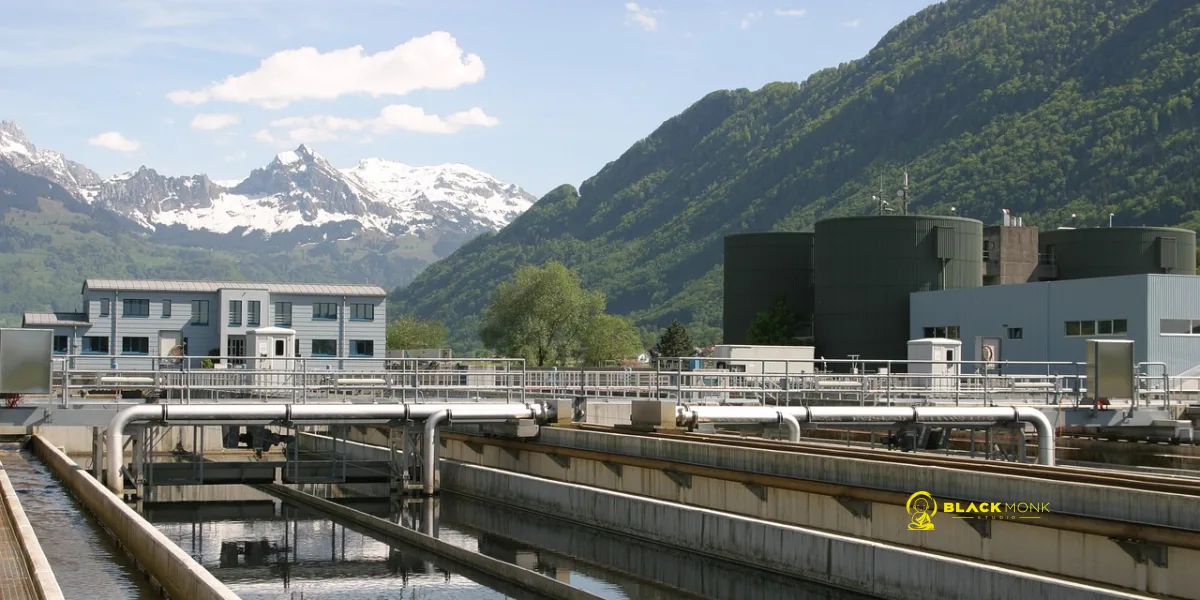
Content Marketing For Water Utilities means planning and publishing useful information, such as water quality updates, outage guidance and explainers on billing, so that residents, contractors and municipal buyers find accurate answers before rumours spread. It solves a real problem: many utilities only communicate during emergencies, which leaves the search results and social feeds to others. The benefit is steady public trust, fewer repeated phone calls and a clear record of what the utility does. In this guide, I explain how to choose topics, who the audiences are, how to set up a calendar and how to measure results without inventing targets you cannot defend.
Key takeaways
- Start with the questions your call centre hears most often, and turn each answer into a page that can be searched.
- Write for three audiences separately: households, contractors and developers, and council or procurement staff.
- Measure success with call volume, form completions and page engagement over time, not with vanity reach numbers.
- Review every regulated or health-related statement with your legal and water quality teams before publishing.
What Content Marketing For Water Utilities Actually Covers
In practice, content marketing for a water utility is the work of publishing helpful, accurate material on a schedule. That includes web pages, short videos, newsletters, leaflets and social posts. The goal is not to sell water. The goal is to make it easy for people to understand their service, their bill and the work happening in their area.
Utilities already produce a lot of this material. Annual water quality reports, planned maintenance notices and tariff documents exist, but they are often written for regulators and buried in PDFs. I treat that existing material as raw input. The job is to reshape it into pages that answer a specific question in plain language.
It also helps to be clear about what the work is not. It is not a campaign that replaces customer service, and it is not a promotional brand film. Good content supports operations and reduces confusion. It does not promise outcomes that depend on engineering, weather or regulation.
Who You Are Writing For and What They Search
Water utilities serve several audiences, and each one searches differently. Households look for urgent or local information, such as a burst main or a boil water notice. Contractors and developers look for connection rules, approval steps and technical specifications. Council staff and procurement teams look for compliance records and supplier qualifications.
- Residents: short, local, and urgent. Pages on bills, leaks and water hardness belong here.
- Trade and developers: detailed and step-by-step. Pages on new connections and inspection requirements belong here.
- Public bodies and partners: formal and evidence-based. Annual reports and service commitments belong here.
Search intent is the key concept. Intent means what the person wants when they type a query. A resident who types a question about why a bill went up wants an explanation, while a contractor who types a connection requirement wants a checklist. I match each page to one dominant intent, which keeps the page focused and easier for search engines to understand.
Building Topic Clusters Around Real Questions
A practical starting point is the list of questions your contact centre, field teams and complaints log record every week. Group them into themes such as billing, water quality, outages, new connections and conservation. Each theme becomes a cluster with one main guide and several supporting pages.
- Export the top 30 to 50 questions from calls, emails and web chat over the last year.
- Group them into five or six themes and remove duplicates.
- Assign one pillar page per theme, such as a complete guide to understanding your bill.
- Create supporting pages for narrow questions and link them back to the pillar.
- Review each page every six months, because rules, tariffs and contacts change.
This approach also suits the way people search for utility information. Many queries are specific and local, so a page that answers one clear question is more useful than a generic overview. Helpful, people-first pages match what Google Search Central describes as helpful content.
Formats That Work for Utility Audiences
Format should follow the question. A how-to question suits a numbered guide with photos. A question about water quality suits a summary table with a link to the full report. A question about a planned works programme suits a map or a dated timeline. Video works well for showing field procedures, such as how a meter is read or how a hydrant is flushed.
| Audience | Common question | Best format |
|---|---|---|
| Residents | Why did my bill change? | Plain-language explainer with a worked example |
| Residents | Is my tap water safe to drink? | Summary page linking to the full quality report |
| Contractors | What do I need for a new connection? | Step-by-step checklist with downloadable forms |
| Councils | How are service commitments measured? | Evidence page with definitions and dates |
Avoid heavy jargon. Where a technical term such as turbidity or a regulatory limit is necessary, explain it in one sentence the first time it appears. A reader who understands the term is more likely to trust the rest of the page.
Handling Trust, Accuracy and Sensitive Topics
Trust is the main asset a water utility has, and it is easy to damage. Every page that mentions water quality, health effects or legal duties should be checked by the people responsible for those areas. I do not write health advice or regulatory interpretation for a utility. Those questions belong with qualified engineers, public health officials and legal advisers.
- Date every page and show when it was last reviewed.
- Link to the primary source, such as the official quality report or the regulator's guidance.
- State what the page does not cover, so readers know when to call the utility.
- Keep emergency information in a separate, clearly labelled area of the site.
Be careful with claims about savings, efficiency or environmental benefits. If you cannot show the method behind a figure, do not publish it. Advertising rules in many countries require claims to be substantiated, and the US Federal Trade Commission's advertising guidance is a useful reference for the principle, even outside its jurisdiction.
Planning a Content Calendar for a Utility Team
A calendar keeps the work steady. For most utilities I would plan around three rhythms: fixed annual items such as the water quality report and the budget explainer, seasonal items such as hosepipe guidance in summer and frost advice in winter, and reactive items such as works notices. The reactive slot must stay open, because operations can change quickly.
Allocate roles clearly. The communications team usually owns the calendar, subject experts approve technical content, and the web team handles publishing and accessibility. Accessibility matters because many public sites must meet the W3C Web Content Accessibility Guidelines, so alt text, headings and colour contrast should be checked before publication.
Set a simple approval path with named reviewers and a target turnaround. Slow approval is the most common reason utility content goes stale, so agree the review time before the first page is written.
How to Measure Content Marketing For Water Utilities
Measurement should connect to the reason each page exists. For a billing explainer, the useful signals are fewer billing calls, fewer repeat emails on the same topic and more visits to the payment page. For a contractor guide, the signals are fewer incomplete applications and fewer requests for documents that are already published.
Set up tracking in Google Analytics Help guidance, using events for downloads, form starts and phone clicks. Keep the definitions written down, because a conversion that means one thing to the web team may mean another to the call centre.
- Track calls and emails by topic before and after a page is published.
- Record search queries that land on each page in Search Console.
- Compare form completion rates for contractor pages month on month.
- Review the top 20 pages every quarter and retire the ones nobody uses.
I avoid publishing targets for growth until a baseline exists. Most utilities need three to six months of data before a realistic target can be set, and that depends on seasonality and the size of the service area.
Common Mistakes Water Utilities Make
The first mistake is publishing reports without explanation. A full quality report is useful for specialists, but most residents need a summary and a link. The second is writing from the organisation's point of view, with headings like Our Commitment rather than the question a customer would type.
The third mistake is treating content as a one-off project. Pages that were accurate two years ago may now be wrong, and wrong pages damage trust faster than missing pages do. The fourth is ignoring the people who answer the phone. Their knowledge is the best source of questions, and they should be involved from the start.
Finally, do not rely on one channel. A useful page should be linked from the bills, the website footer, the newsletter and the social feed, where that is appropriate for the topic.
When This Approach May Not Be the Right Fit
Content work is not the right first step in every situation. If the website is slow, broken or hard to navigate, fix that first, because new pages will not help a visitor who cannot find them. If the utility has no one who can review technical accuracy, publishing will create risk rather than value.
It may also not suit a small local service where most contact is by phone and the audience is very small. In that case, a clear printed leaflet, a well-maintained notice board and a short set of web pages may do the job at lower effort. Honest planning means saying that before a budget is committed.
Questions & answers
What is Content Marketing For Water Utilities?
Content Marketing For Water Utilities is the practice of publishing accurate, useful information such as bill explainers, water quality summaries and connection guides. Its purpose is to answer what people ask, reduce confusion and build public trust. It works alongside customer service and does not replace operational communication during emergencies.
Do water utilities really need a content strategy?
Most utilities benefit from a simple strategy, because questions arrive every day and answers are often scattered across PDFs. A strategy sets which topics matter, who owns them and how they are reviewed. Without it, pages go out of date and staff keep answering the same calls manually.
How do I choose topics for a water utility blog or website?
Start with the questions your call centre, complaints log and field teams hear most often. Group them into themes such as billing, water quality and new connections. Then create one main guide per theme with supporting pages for narrow questions, and review them every six months.
Is it safe to publish water quality information online?
It can be, when the information is taken from the official report, dated and linked to the source. Health claims and regulatory interpretation should be approved by qualified public health or legal staff. For specific health concerns, residents should contact the utility or a health professional directly.
How long does it take to see results from utility content?
Results depend on how often people search for the topic, how competitive the query is and how quickly the pages are reviewed. Many teams need several months of data before they can judge trends, especially because demand for water information changes with the seasons.
What should I measure for content marketing in the water sector?
Measure what the page is meant to change. Billing pages can be judged by fewer billing calls and more payment visits, while contractor guides can be judged by complete applications. Track search queries, form starts and phone clicks rather than general reach or follower counts.
Do I need a separate website for public information?
Usually no, but emergency and outage information should sit in a clearly labelled, easy-to-find area that loads quickly on a phone. Separating urgent notices from routine content helps people find what they need during an incident. Your web team can advise on the best structure for your site.
Where can water utility marketers discuss ideas with peers?
Practitioners compare notes in r/content_marketing and r/marketing. Treat advice there as a starting point, and check any claim against your own data and your regulator's guidance before you act on it.
Content Marketing For Water Utilities works best when it answers real questions from real people, is reviewed by the right experts and is measured against what each page is meant to change. Start with the questions your teams already hear, build one clear guide per theme and keep it accurate over time. If you want help turning that into a working plan, see our content marketing services, or read the guide to content marketing for utilities for a wider view of the sector.