Social Media Marketing For Smart Grid means using social channels to reach the people who buy, specify and operate grid technology, such as utility executives, distribution engineers and procurement teams. The problem is that these buyers have long sales cycles, strict compliance rules and little patience for hype. The benefit of a careful approach is that a few well-chosen channels can keep your company in front of the right decision makers before a tender is published. In this guide, I explain how I plan this work for energy and utilities clients, which platforms matter, what to publish and how to measure results honestly.
Key takeaways
- Start with LinkedIn for buyers and decision makers, then add YouTube or owned content for technical proof.
- Write for engineers and procurement teams: specific use cases, pilot results you can publicly share and clear limits.
- Measure pipeline influence, not likes. Track demo requests, tender invitations and sales-team feedback.
What is social media marketing for the smart grid?
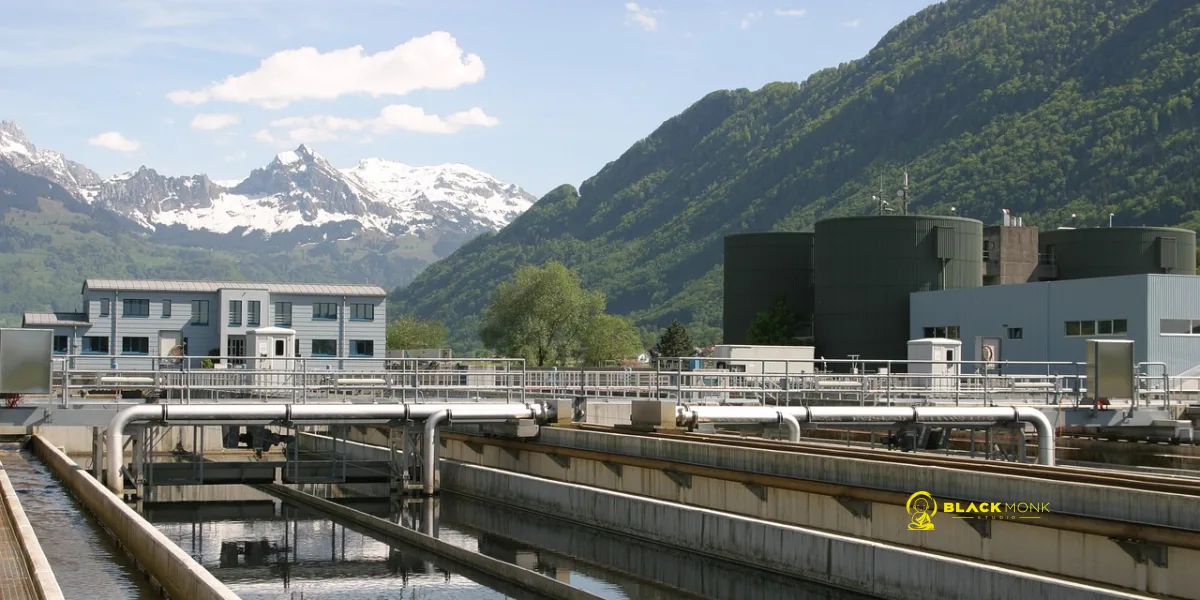
Social media marketing for the smart grid is the planned use of social platforms to explain grid technology, earn trust and keep a company visible to buyers. The grid here means the networks that utilities use to generate, move and deliver electricity, and the digital layer on top of it: sensors, meters, distribution automation, outage management and grid analytics. Smart grid vendors sell to utilities, municipalities, industrial sites and engineering firms, so the audience is narrow and professional.
I treat this work as a B2B sales support function, not a brand awareness exercise. A utility may take eighteen months or more to move from a first conversation to a signed contract, and many people in the buying group never fill in a form. Social content works in that long gap by answering questions, showing how a product behaves in the field and keeping your name familiar when a budget opens.
For example, a vendor of distribution monitoring software does not need viral posts. It needs a steady stream of short technical notes, a few customer-approved project summaries and a clear reason for a planning engineer to remember the company when a grid upgrade is scoped.
Which social platforms reach smart grid buyers?
Channel choice depends on who signs the cheque and who writes the specification. In my experience, most grid vendors need three channels at most. Starting with fewer gives you a better chance of consistent output.
| Platform | Best use for grid vendors | Main limitation |
|---|---|---|
| Reaching utility executives, asset managers, procurement and engineering leads; sharing project milestones | Organic reach is narrow; paid targeting by job title costs more per impression | |
| YouTube | Explaining installation, commissioning and software walkthroughs to technical staff | Slow to produce well; needs search-friendly titles and transcripts |
| X (Twitter) | Following regulators, policy voices and industry news; short updates on events | Smaller utility audience; conversations move fast and can be hard to control |
| Public-facing awareness for community energy programmes, often local | Low fit for most B2B buyers, so use only when your customer is a local authority |
Most teams should begin on LinkedIn. LinkedIn Marketing Solutions lets you target by job function and seniority, which matters when your buyer is a regional engineering manager rather than a general consumer. For more on setting up the basics, see the studio's social media marketing services.
How do you build a smart grid social content plan?
A workable plan starts with the buying process, not the content calendar. Map the stages from first awareness to tender, then decide what each role needs at each stage. A procurement officer wants risk and compliance answers. A grid engineer wants to see how the system behaves under load. An executive wants to know what problem it solves and what it means for customer reliability.
- List the five to eight roles that influence your deals, including those outside the utility such as regulators and contractors.
- For each role, write three questions they ask before they buy.
- Assign one content format to each question: a short post, a technical note, a case summary or a webinar.
- Set a fixed weekly rhythm you can keep, such as two LinkedIn posts and one longer article or video each month.
- Review the mix every quarter with your sales team and drop the topics nobody asks about.
Be honest about what you can say. Utilities operate under regulatory and security obligations, and many project details are confidential. Only publish customer names and results with written permission, and avoid claims about reliability or savings unless you can show the method behind them.
What content works for utilities and grid engineers?
Technical buyers trust detail more than polish. The content that performs for me in this sector is specific, plain-spoken and tied to a real operating problem. Generic statements about the future of energy get ignored by engineers who have seen many of them.
Formats that earn attention
- Short explainers on one grid concept, such as how voltage regulation changes when rooftop solar feeds back into a feeder.
- Commissioning and installation walkthroughs filmed with the field team, with the safety steps shown.
- Commentary on public consultations, grid codes and tariff reviews, written in your own words and linked to the source.
- Anonymised lessons learned from a pilot, approved by the customer, covering what changed and what did not.
Formats to avoid
Avoid stock footage of wind turbines, abstract claims about being the smartest grid platform and unverified statistics about energy savings. Such posts damage credibility with exactly the people you need to convince. If you publish a figure, cite the primary source and explain its scope.
The studio's content marketing team can help turn engineering notes into articles, but the technical substance must come from your own experts.
How should a smart grid company run paid social?
Paid social is useful when you have a specific message for a narrow group, such as a new integration for a utility software platform or an invitation to a technical webinar. It is less useful as a general awareness spend because the audience pool is small and expensive to reach.
On LinkedIn, target by job title, seniority, company size and industry, and test two or three audiences rather than one large one. Use lead forms only when the offer has real value, such as a technical white paper, and route responses to a sales owner within a working day. Budget depends on audience size and how many decision makers you need to reach, so I set it after the audience is tested, not before.
Check the platform's rules for regulated and political content before running ads about public policy or customer tariffs. Where your claims touch regulated products or consumer protection, ask a qualified legal adviser to review them.
- Confirm the audience size is large enough to test without wasting spend.
- Use one clear offer per ad, not a general brand message.
- Track the lead quality with sales, not only the number of forms completed.
How do you measure social media marketing results for grid vendors?
Social metrics such as followers and impressions show whether people see content. They do not show whether a utility is buying. For this reason, I measure outcomes that the sales team can confirm, such as meetings booked with named accounts, technical documents downloaded by people in target companies and mentions of your content in tender discussions.
Set up tracking before you publish. Use UTM parameters on links so that visits from social posts appear in Google Analytics as their own source. The Google Analytics Help centre explains how to build these reports. Connect your CRM so that a sales opportunity can be traced back to its first social touchpoint, even if that touchpoint was months earlier.
Review results every quarter. If a format brings views but no conversations, change the message or the audience, not the number of posts. Patience matters because grid purchases move slowly.
What are the common mistakes in smart grid social media?
Most problems I see are not about creativity. They come from unclear ownership, weak approvals and wrong expectations. Fixing these basics usually improves results more than any new platform.
- Letting the marketing team post without a named engineer or product expert reviewing technical claims.
- Publishing project news before the customer has approved it, or before procurement rules allow it.
- Chasing general engagement from people who will never buy, such as students or competitors.
- Ignoring replies from utility staff, which can signal a real opportunity or a compliance question.
- Using the same content on every platform without changing the tone for each audience.
Also consider when this approach does not fit. If your product is sold only through formal tender with no informal networking, social media will support the process but will not drive it. In that case, put more effort into the documents and events that the procurement team actually reads.
Should a smart grid company hire an agency or do it in-house?
The answer depends on your team's technical depth and time. An in-house person who knows the product can write credible posts quickly, but may lack time for planning, analytics and paid campaigns. An agency brings process and reporting, but needs strong input from your engineers to avoid vague content. Many grid companies choose a hybrid model: internal experts supply the facts, and an outside partner plans, edits and runs the channels.
When you compare providers, ask what is included, who writes the technical content, how approvals work and how results are reported. Ask how they handle confidential customer information. Cost depends on channels, volume and whether paid media is included, so request a scoped proposal rather than a flat figure.
If you want an outside view on your current setup, the studio offers a strategy conversation where we review the channels, the buyer map and the reporting.
How do you get started with smart grid social media?
Begin with a small test that you can finish within a quarter. Choose one buyer group, one platform and one offer. Measure what sales says is useful, then decide whether to expand. This approach keeps effort focused and protects you from spreading thin across channels that your buyers never use.
- Write a one-page buyer map for your top two account types.
- Audit your existing profiles on LinkedIn and your website for technical accuracy.
- Produce six pieces of content that answer the questions your sales team hears most.
- Run one LinkedIn campaign to a single technical resource and track responses with sales.
- Review the results and update the plan for the next quarter.
Your existing marketing foundations matter too. Clear product pages, accurate case material and a fast website make social traffic more useful. Search and social work together, so it can help to read the studio's notes on social media marketing for renewable energy, which covers many of the same buyers.
Questions & answers
What is social media marketing for smart grid companies?
Social media marketing for smart grid companies is the use of platforms such as LinkedIn and YouTube to explain grid technology and stay visible to utilities and engineers. It supports a long B2B sales cycle rather than driving quick sales. The work usually includes technical explainers, project updates approved by customers and targeted paid campaigns for specific job roles.
Which social media platform is best for smart grid marketing?
LinkedIn is usually the best starting point because it lets you reach utility executives, procurement teams and engineering managers by job title and seniority. YouTube helps when you need to show installation or software walkthroughs. Most grid vendors should choose two or three channels and do them well rather than spreading effort across many.
How much does social media marketing for a smart grid business cost?
Cost depends on the number of channels, the volume of content, whether technical experts must review posts and how much paid media you run. Teams that already have strong in-house engineers may need less outside help. Ask any provider for a scoped proposal that lists deliverables, approval steps and reporting, instead of relying on a general price.
Can social media really help win utility contracts?
Social media rarely closes a utility contract on its own. It can keep your company visible during long evaluation periods, answer questions from engineers and help sales teams start conversations. Its value is easiest to see when sales staff report that prospects already know the company's technical work before the first meeting.
Do I need to be careful about what I post as a utility supplier?
Yes. Utilities work under regulatory, security and confidentiality obligations, so you should never publish customer details, unverified performance claims or non-public project information without written approval. For questions about regulated claims or data rules, speak with a qualified legal adviser before you publish.
What kind of content should a grid technology company publish on LinkedIn?
Publish short technical explainers, commissioning lessons, commentary on public consultations and approved pilot summaries. Each post should answer a question a planning engineer or procurement officer actually asks. Avoid generic claims about the future of energy, because experienced buyers ignore them and they weaken trust in your technical expertise.
How do I measure the results of smart grid social media?
Measure outcomes that sales can confirm, such as meetings with target accounts, downloads of technical documents by people at relevant companies and opportunities traced back to a social touchpoint. Use UTM tags on links and connect your CRM so that you can see the path from social content to pipeline over several months.
Should I hire an agency for smart grid social media or do it in-house?
Many grid companies use a hybrid model. Internal engineers supply accurate technical facts, while an outside partner plans the calendar, edits content, runs paid campaigns and reports results. Choose the option that gives you accurate content, clear approvals and reporting that your sales team can use.
Social Media Marketing For Smart Grid works best when it supports a long, technical sales process with accurate, specific content and honest measurement. Choose a small number of channels, build your content around the questions buyers ask and track outcomes that your sales team can confirm. If you want help designing that plan, see the studio's social media marketing services for a clear starting point.